
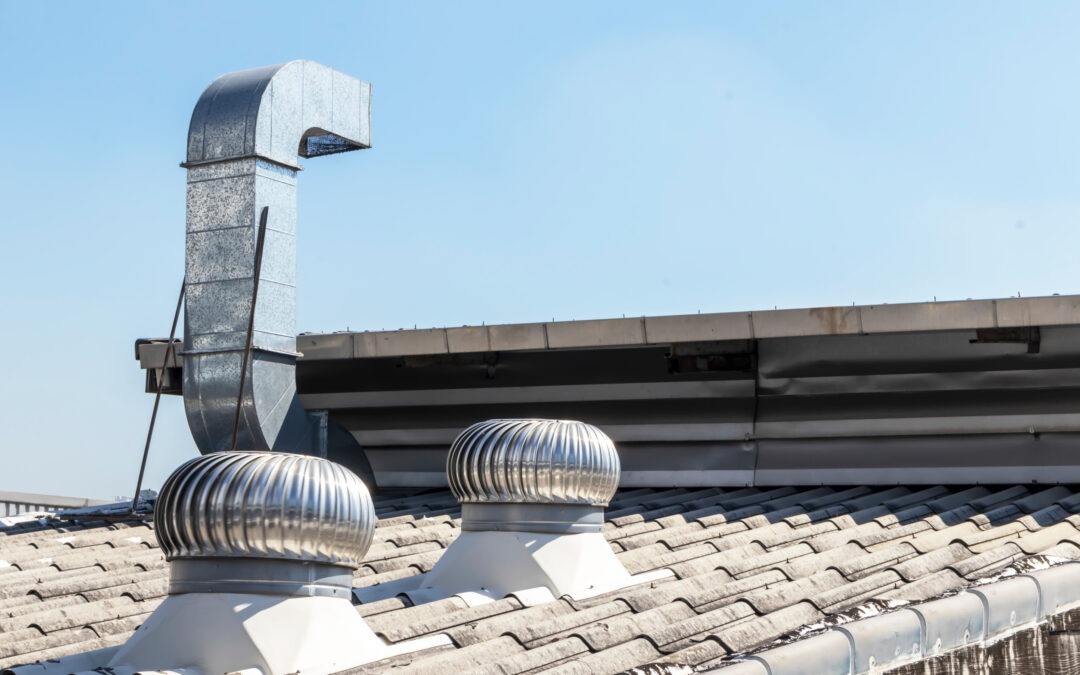
Residential Roofing
Roof Ventilation in Central Illinois: What It Actually Does for Your Home
A local roofer explains, in plain terms, how attic airflow protects your shingles — and the signs most homeowners miss until it’s a problem.
You put good money into your roof. Maybe you just had it replaced, or maybe it’s a few years old and doing fine as far as you can tell from the ground. But there’s one part of the system nobody points at from the driveway that quietly decides how long that roof actually lasts, and that’s roof ventilation. When the attic underneath can’t breathe, the roof above it ages faster than it should — and you usually don’t find out until the shingles start curling or somebody spots mold on the sheathing.
I’m Craig Stafford. I’m the residential lead here at Holthaus Roofing, and I handle residential roofing jobs from the first inspection through the final walk-through. Roof ventilation is one of those things that doesn’t get talked about enough, so let me walk you through what it actually does, how to tell when yours isn’t keeping up, and what your options are — without the sales pitch.
What Roof Ventilation Actually Does
Ventilation is just moving air through your attic — pulling cooler outside air in down low and letting hot, damp air escape up high. That’s the whole idea. When it’s working, here’s what it’s quietly doing for you.
- It keeps summer heat from cooking your shingles. A poorly vented attic in July can hit numbers you wouldn’t believe. All that trapped heat bakes the underside of the roof deck and ages the shingles from below. Good airflow lets it out.
- It moves moisture out before it does damage. Warm, humid air from inside the house drifts up into the attic. In a cold attic it condenses on the sheathing — and that’s how you get wet insulation, rot, and mold. Venting purges it before it settles.
- It helps hold off ice dams in winter. When the attic runs warm, snow melts near the ridge and refreezes at the cold eaves, and that ice backs water up under your shingles. Keeping the deck cooler and more even helps head that off.
- It protects your shingle warranty. Most manufacturers, CertainTeed included, expect a balanced ventilation system. Skip it and you can actually void the warranty you paid for.
- It can ease your energy bills. A cooler attic in summer means your air conditioner isn’t fighting a 150-degree box over the ceiling.
So ventilation isn’t an add-on, per se. It’s part of the roof. A roof without a plan for airflow is only half-finished.

The Signs Your Roof Isn’t Breathing Right
Here’s the good news: you don’t need special tools to catch most ventilation problems. A lot of the warning signs are things you can see yourself. Generally, if you notice a few of these together, it’s worth having someone take a real look.
- An attic that feels like an oven on a hot day, even with the house cooled down.
- Frost or damp spots on the underside of the roof sheathing in winter — that’s condensation, and it shouldn’t be there.
- Mold, mildew, or a musty smell up in the attic space.
- Shingles curling, blistering, or shedding granules early. Granules are the sand-like grit on top of the shingle that shields the asphalt from the sun. When they wash into your gutters years ahead of schedule, heat is usually part of the story.
- Ice dams at the eaves every winter, even after you’ve added insulation.
- Heating and cooling bills creeping up without a clear reason.
None of these prove a ventilation problem on their own. But when a few show up at once, that’s your roof telling you the airflow isn’t keeping up, you know?
How the System Works: Intake Down Low, Exhaust Up High
You don’t need to be an engineer to understand this, so let me keep it plain. A working system has two halves, and they have to be balanced.
Intake vents sit down low, usually in the soffits — that’s the underside of the roof overhang. They let fresh outside air in. Exhaust vents sit up high, along the ridge or near the peak, and they let the hot, moist air out. Air comes in the bottom, rises as it warms, and leaves at the top. Simple as that.
The catch is balance. If you’ve got plenty of exhaust up top but not enough intake down low, the system starts pulling air from wherever it can — sometimes right back down through your own exhaust vents, or out of the living space below. Either way it stops doing its job. Contractors talk about “net free area,” which is just a fancy way of saying how much actual open space a vent gives the air to move through. A common target is roughly one square foot of vent for every 300 square feet of attic floor, split about evenly between intake and exhaust. The exact number depends on your attic and whether you’ve got a proper vapor barrier, and so forth.
The thing most people get wrong: they add more roof vents up top and figure more is better. But if the soffits are painted shut or stuffed with insulation, all that new exhaust has nothing to pull from. Make sure the intake is there first. Balance beats brute force every time.
Central Illinois Weather Is Hard on a Poorly Vented Roof
This isn’t a coastal climate or a desert. Around Canton and the rest of Fulton County, your roof takes the full swing — humid summer heat, then hard winter freeze-thaw cycles where it thaws in the afternoon and refreezes overnight. Both ends of that range punish a roof that can’t breathe.
In the summer, the heat-and-humidity combination is what wears shingles out early from underneath. In the winter, it’s ice dams. When your attic runs warmer than the outside air, the snow on your roof melts, runs down to the cold eave, and freezes into a ridge of ice. Water pools behind it and works its way up under the shingles and into the house — the same kind of intrusion we see after storm damage. Before I got into roofing I spent years as an insurance adjuster, so I’ve seen these ice-dam and water-intrusion claims from the other side of the desk — and good ventilation is one of the cheapest ways to keep your roof from ever becoming one. I’ve walked plenty of central Illinois attics where the ventilation was the missing piece the whole time. A design that’s right for our seasons — snow load, freeze-thaw, and summer heat all in one year — matters more here than folks realize.

Can You Fix Ventilation Without a Whole New Roof?
Sometimes, yes. And I’ll give it to you straight, because this is where a homeowner can get oversold. If your roof is otherwise in good shape and the problem is simply not enough airflow, we can often improve it without a full tear-off — opening up blocked soffits, adding baffles so insulation isn’t choking the intake, or adding exhaust where the roof was short on it. That’s a repair, not a replacement, and I’d rather tell you that than sell you a roof you don’t need.
Now, the flip side: if you’re already replacing the roof, that’s the right time to get the ventilation done correctly, because it’s far easier and cheaper to build it in than to bolt it on later. When we plan a replacement, airflow is part of the design from day one — not an afterthought. If a contractor’s proposal doesn’t mention ventilation at all, that’s a red flag worth asking about. A roof built to last should be built to breathe. That’s how we stand behind our work for the long run.
One note on flat and low-slope roofs: those ventilate differently than a pitched attic, and on the commercial side it’s a whole different system. That’s more Craig Wilson and our commercial roofing crew’s area, so on a flat-roof building I’d loop them in rather than guess. For homes with a standard attic, though, the intake-and-exhaust approach above is what you’re working with.
A Little Upkeep Goes a Long Way
Once your ventilation is right, keeping it that way is mostly common sense. Make sure nothing blocks the vents — don’t let new insulation bury the soffit openings. Keep critters out; squirrels and raccoons love an open vent, and they’ll pack a soffit with nesting material and choke the airflow without you ever knowing. And trim branches back off the roof so leaves don’t pile up and clog things. Small stuff, but it protects the investment over the long run.
Not Sure Your Roof Is Breathing Right?
If you’re a Canton or Fulton County homeowner seeing curled shingles, a stuffy attic, or ice dams every winter, give us a call. I’m glad to come out, get up in the attic, and give you an honest read on your ventilation — no pressure, no obligation.
Frequently Asked Questions
What are the signs of poor roof ventilation?
The common ones you can spot yourself: an attic that’s stifling hot on a summer day, frost or damp on the underside of the roof sheathing in winter, mold or a musty smell in the attic, shingles that curl or lose granules early, ice dams at the eaves every winter, and heating or cooling bills creeping up. Any one of these can have another cause, but when a few show up together, it’s usually a ventilation problem worth inspecting.
How much roof ventilation does my house need?
A common industry target is about one square foot of net free vent area for every 300 square feet of attic floor, split roughly evenly between intake vents down low in the soffits and exhaust vents up high near the ridge. The exact figure depends on your attic size, roof design, and whether you have a proper vapor barrier. The key isn’t just the total number — it’s keeping intake and exhaust balanced so the air actually flows.
Can I add roof ventilation without replacing the whole roof?
Often, yes. If the roof is otherwise in good shape and the issue is simply not enough airflow, we can usually improve it without a full tear-off — clearing blocked soffits, adding baffles so insulation isn’t choking the intake, or adding exhaust where the roof came up short. If you’re already replacing the roof, that’s the ideal time to build the ventilation in correctly, since it’s much easier and cheaper than retrofitting it later.
Does roof ventilation help with ice dams in an Illinois winter?
It helps a lot. Ice dams form when a warm attic melts snow near the ridge and it refreezes at the cold eaves, backing water up under the shingles. Balanced ventilation keeps the roof deck cooler and more even, which reduces that melt-and-refreeze cycle. It works best paired with good attic insulation and sealed air leaks — here in central Illinois, with our freeze-thaw swings, all three together are your best defense.