
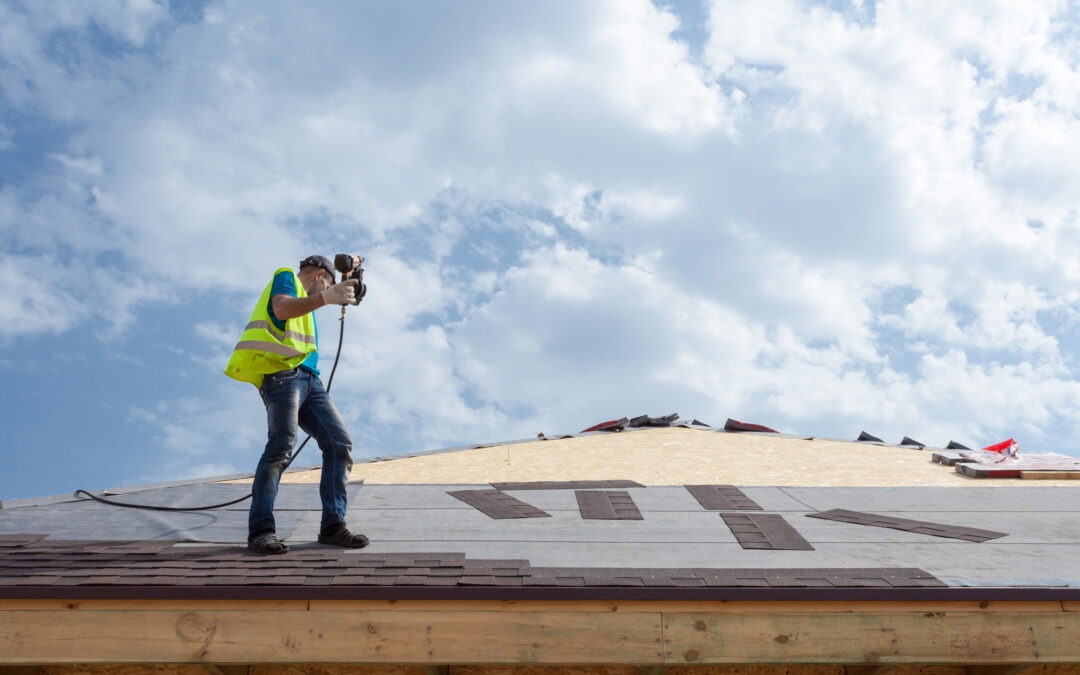
Homeownership in Illinois places your roof on the front line of nature’s toughest elements: heavy snowfall, ice dams, hailstorms, dramatic freeze-thaw shifts and fierce winds. For homeowners in the state, the roof isn’t simply an overhead covering—it’s an essential defense system. A well-installed, properly maintained roof helps safeguard your home’s structure, interior comfort and long-term value.
In this reference-style guide, we’ll walk through key considerations for roof care—material selection, maintenance timing, signs of wear, contractor evaluation—and use insights from the company Holthaus Roofing to illustrate best practices. While this isn’t a sales pitch, the information should empower you when reviewing your roof’s condition or planning work.
Website:
1. Why Illinois Roofs Demand Special Attention
In many milder climates a roof can be replaced or lightly maintained when convenient—here, the calendar and weather demand something more proactive. Illinois’ climate introduces several roof-stress factors:
- Snow and Ice Loads: Roofs must handle the weight of heavy snow accumulation and the unique stress of ice dams that form when warm attics melt snow and cold eaves freeze it back. Holthaus Roofing emphasizes this dual-stress in its guides.
- Freeze/Thaw Cycling: Each winter season brings periods of freeze followed by melt—this can cause subtle damage to shingles, flashing, sealants and roof decks over time.
- Hail and Wind Storms: Summer storms can damage shingles, loosen fasteners and compromise flashing. Holthaus notes that granule loss and impact damage are common in this region.
- Drainage and Ice-Dam Risks: Improper venting, insulation or drainage lead to ice dams—which impose both water and structural risks. Holthaus includes attic ventilation among its key maintenance topics.
- Shortened Material Lifespans: While some roofs elsewhere may stretch 30 + years, in Illinois even high-quality installations require earlier renewals if conditions are harsh. The “20-year” benchmark is often cited.
Because of all this, homeowners benefit from treating their roof as a long-term system rather than a one-time cosmetic upgrade.
2. Choosing Roofing Materials That Withstand the Elements
Your choice of materials matters significantly—installation quality is critical, but material selection is equally important in this climate. Holthaus Roofing outlines material categories and how they perform in Illinois.
Asphalt Architectural Shingles
- The common standard for residential roofs: thicker than basic 3-tab shingles, better wind rating, more style.
- Lifespan is often 20-25 years under Illinois conditions, if well maintained.
- Watch for granule loss (granules in gutters/downspouts), curled or cracked shingles—these signal degradation.
Metal Roofing
- Excellent for snow-shedding, durability and long life (often up to ~50 years). Holthaus suggests it as a premium option.
- Pays more up front but may yield significant value in demanding climates.
- Must still have proper installation—venting, under-layer, flashings etc matter.
Flat/Low-Slope Roof Systems (Commercial or Side Structures)
- If part of your home has a low-slope roof (e.g., garage, addition), then membranes like EPDM, TPO are needed. Holthaus mentions these in their service offering.
Warranty & Certification Matters
- Holthaus Roofing emphasizes installer certification (such as CertainTeed ShingleMaster) which enables stronger warranties.
- A good warranty covers both materials and workmanship—cheap materials only reduce cost today, but often shorten useful life.
- The installer’s knowledge of local conditions (snow load, ice dam mitigation, ventilation) is a crucial part of material performance.
3. Maintenance & Inspection: Extending Roof Life
Even the best material only yields full value if maintained properly and inspected at the right intervals. Holthaus provides seasonal guidance for Illinois homeowners.
Seasonal Tasks
- Spring: After snow/ice exit, inspect for damage (hail, missing shingles), clean gutters/downspouts, check attic for condensation or water intrusion.
- Summer: Monitor after storms. Inspect flashing around vents, chimneys, skylights; trim overhanging trees; clear debris.
- Fall: Clear leaves and debris from roof and gutters; check attic insulation and venting (important for ice-dam prevention).
- Winter: While rooftop work may be limited, monitor for heavy snow loads, ice dams, attic ventilation/condition. If safe, remove excessive snow and ensure melt water is draining.
Inspection Checklist<br>What to watch for:
- Curling, cracked or blistered shingles.
- Granules in gutters or downspouts.
- Flashing around chimneys, vents or skylights showing rust, separation or gaps.
- Daylight visible through roof boards from attic.
- Roof deck sagging or uneven.
- Higher than expected energy bills, or rooms difficult to keep at consistent temperature (may indicate compromised insulation/venting).
- Moss, lichen or algae growth—while not just cosmetic, they may hint at moisture retention and shingle wear.
- Water stains on ceilings or attic spaces—pointing to leak or under-layer failure.
Repair vs. Replacement Decision
Holthaus warns that repeated repairs may signal it’s time for replacement rather than patch work. Some signs: multiple areas of damage, recurring leaks, aged shingles reaching their expected life.
4. When It’s Time for a New Roof
Knowing when to replace your roof versus continuing maintenance is key to avoiding major failures. Holthaus outlines 10 signs that replacement is wise.
Key indicators include:
- Roof approaching or exceeding 20 years (for asphalt shingles).
- Curling, cracking or buckling shingles.
- Significant granule loss.
- Persistent leaks or attic/ceiling stains.
- Visible sagging or structural issues.
- Light visible through roof boards.
- Missing or damaged flashing.
- Moss or algae growth unchecked.
- Increased or inconsistent energy bills.
- Roof repairs have become more frequent or costly.
When these signs accumulate, replacement tends to be more cost-effective and safer than continued patching.
5. Choosing the Right Roofing Contractor
Materials and maintenance matter, but installation and contractor selection are equally critical. Here is a checklist, drawn in part from Holthaus Roofing’s homeowner-first ethos.
What to look for:
- Local experience: A contractor familiar with Illinois weather, snow loads, ice dams and local building codes is preferable.
- Licensed & insured: Especially in Illinois, check that the contractor is properly licensed for residential roofing and holds liability and worker’s-compensation insurance.
- Certification from material manufacturers: Certification (CertainTeed, etc) means the installer is trained and can issue full manufacturer warranties.
- Clear, written proposal: listing materials, installation scope, ventilation/under-layer details, cleanup process, warranty coverage.
- Transparent process & communication: Honest assessment (repair vs replacement), timely updates, clean job-site practices. Holthaus emphasizes this “homeowner-first” commitment.
- Good cleanup & protection: Roofing involves debris, nails, risk of damage to landscaping. The contractor should include cleanup and protection measures.
- Warranty documentation: Understand separately the material warranty (by manufacturer) vs workmanship warranty (by the contractor).
- References & review history: Local reputation, testimonials, how they handle storm-damage claims, etc. For broader industry guidance on roofing lifespan and standards, you may reference the site of the Asphalt Roofing Manufacturers Association (ARMA).
6. How to Get the Most Value from Your Roof
Beyond choosing materials and installing well, maximizing roof value involves smart attention and proactive steps:
- Keep gutters and downspouts clear—clogged drainage is a major cause of ice dam formation and undue water load.
- Ensure attic insulation and ventilation are adequate—these affect roof deck temperature and ice dam risk.
- Trim overhanging branches—falling limbs, debris and moss accumulation reduce roof life.
- After storms, inspect (or have approved contractor inspect) for damage—early detection prevents escalation.
- Retain detailed records—installation date, materials used, warranty info, inspection notes, repairs performed. This helps resale value.
- Budget for replacement before emergency—anticipatory replacement is cheaper and less disruptive than forced emergency reaction.
- Think of the roof as part of the home’s systems—not just a component. Integration with gutters, siding, attic insulation, landscaping matters.
7. Summary & Reference Takeaways
Roofing in Illinois is different from many places: the stakes are higher due to weather, the cost of deferred care is greater, and the right professional support matters intensely. Your roof protects your home, your comfort and your investment. Use this post as a reference:
- Choose materials suited for climate, not just cost-lowest.
- Maintain seasonally & inspect proactively.
- Know the signs when replacement is smarter than patch repair.
- Select a contractor who understands local conditions, is certified, communicates clearly and acts in your interest.
- Don’t view a roof project as isolated—think of it as part of your home’s long-term protection system.
When done well, your roof will serve you for decades, not become a recurring burden.