
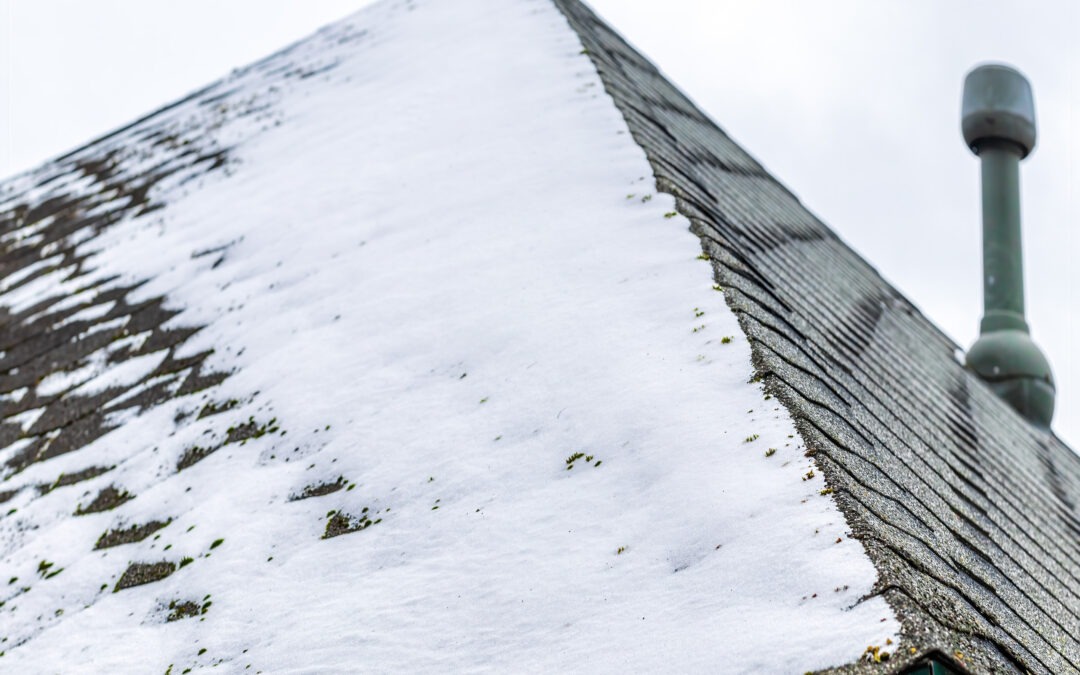
How Illinois Winters Affect Your Roof Over Time
Illinois experiences a wide range of winter weather conditions, from freezing rain and snowstorms to fluctuating temperatures that move above and below freezing in short periods of time. While these seasonal shifts are normal, they can place ongoing stress on residential roofing systems if left unaddressed.
Understanding how winter weather impacts your roof helps homeowners recognize early warning signs, plan seasonal maintenance, and better assess roof condition as the year progresses. This guide explores how Illinois winters interact with roofing materials, structural components, and moisture management — offering a clear, educational reference for homeowners navigating cold-weather roof concerns.
1. Why Winter Weather Is Especially Hard on Roofs
Winter conditions in Illinois are not defined by one single factor, but rather a combination of elements that affect roofing systems simultaneously. These include:
- Snow accumulation that adds sustained weight to roof structures
- Ice formation that restricts proper water drainage
- Freeze–thaw cycles that expand and contract roofing materials
- Cold temperatures that reduce material flexibility
Over time, these forces can weaken shingles, compromise flashing, and expose underlayment layers — even when damage is not immediately visible from the ground. According to roofing industry research, cold-climate stress is one of the most common contributors to premature roof aging.
2. Common Winter Roofing Issues in Illinois
Illinois homeowners often encounter a recurring set of winter-related roofing concerns. Recognizing these patterns helps clarify why winter monitoring is important.
Ice Dams
Ice dams form when snow melts on the upper portions of a roof and refreezes near the eaves. This creates a barrier that prevents water from draining properly. Trapped water may work its way beneath shingles, increasing the risk of leaks and interior moisture damage.
Ice dams are especially common in regions like Illinois, where daytime temperatures may rise above freezing only to drop sharply overnight.
Snow and Ice Load
Snow accumulation adds significant weight to a roof, particularly when combined with ice. While modern roofing systems are designed to handle snow loads, repeated heavy accumulation or wet snow can place stress on decking, fasteners, and structural supports.
Additionally, snow can conceal existing issues such as cracked shingles or deteriorated flashing, allowing moisture intrusion to go unnoticed until thawing occurs.
Material Brittleness
Cold temperatures can make roofing materials less flexible. Asphalt shingles, in particular, are more prone to cracking or granule loss when exposed to prolonged freezing conditions. This does not always cause immediate failure, but it can shorten the overall lifespan of the roof.
3. The Role of Freeze–Thaw Cycles
One of the defining characteristics of Illinois winters is temperature fluctuation. When moisture seeps into small openings in a roof and freezes, it expands. When it thaws, it contracts. This repeated expansion and contraction can gradually widen gaps, loosen fasteners, and weaken seals.
Freeze–thaw cycles affect:
- Shingle edges and nail penetrations
- Flashing around chimneys, skylights, and vents
- Sealants and underlayment layers
Over the course of several winters, this process can contribute to leaks, drafts, and reduced energy efficiency.
4. Preparing a Roof for Illinois Winter Conditions
While winter weather itself cannot be controlled, preparation plays a major role in how well a roof performs throughout the season. Fall inspections and basic maintenance help minimize cold-weather stress.
Key preparation considerations include:
- Gutter clearance: Clean gutters promote proper water flow and reduce ice buildup at roof edges.
- Ventilation balance: Proper attic ventilation helps regulate roof temperature, reducing uneven snow melt.
- Shingle condition: Securing loose or damaged shingles before winter prevents further displacement during storms.
- Tree management: Trimming overhanging branches reduces the risk of snow-weighted limbs damaging roofing surfaces.
These preventative measures are often overlooked, yet they contribute directly to winter roof resilience.
5. Winter Monitoring: What Homeowners Can Observe Safely
While climbing onto a roof during winter is not recommended, homeowners can still monitor roof performance from a distance or inside the home.
Signs worth noting include:
- Ice accumulation along eaves or gutters
- Uneven snow melt patterns on the roof surface
- Water stains on ceilings or upper walls
- Excessive attic condensation or frost
These observations do not necessarily indicate immediate failure, but they do provide valuable insight into how the roofing system is responding to winter conditions.
6. Roofing Materials and Cold-Weather Performance
Not all roofing materials respond to winter stress in the same way. Performance in cold climates depends on material composition, installation quality, and supporting systems such as underlayment and ventilation.
Enhanced asphalt shingles, metal roofing, and specialized moisture barriers are commonly selected for regions with snow and ice exposure. When installed correctly, these systems help manage water movement and temperature variation more effectively.
Equally important is the installation approach. Cold-weather roofing relies on proper sealing, ice-and-water protection in vulnerable areas, and attention to ventilation design — factors that directly influence long-term durability.
7. Post-Winter Roof Evaluation
As winter ends and temperatures stabilize, spring provides an ideal opportunity to assess how the roof performed during the colder months.
A seasonal evaluation may include:
- Checking for missing or damaged shingles
- Inspecting flashing and roof penetrations
- Reviewing attic insulation and airflow
- Ensuring gutters and downspouts are functioning properly
Tracking roof condition year over year allows homeowners to identify trends, plan maintenance, and avoid unexpected repairs.
8. A Long-Term Perspective on Winter Roofing
Winter roofing concerns are rarely about a single storm or snowfall. Instead, they reflect how a roofing system handles repeated exposure to moisture, cold, and temperature fluctuation over time.
By understanding seasonal stressors and observing roof behavior throughout the winter months, homeowners can make informed decisions about maintenance, repairs, and future upgrades — without relying on guesswork or emergency reactions.
Resources:
‘Top Roofing Materials for Cold Climates: 10 Tips – www.tipshandyman.com