
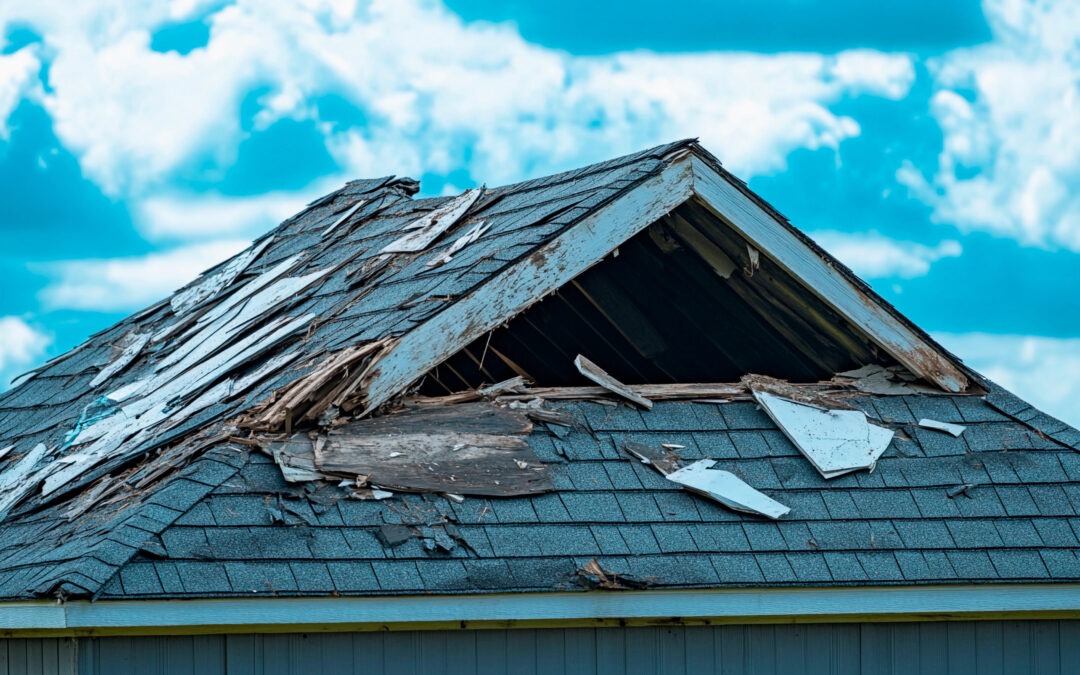
Your roof plays a critical role in shielding your home from the elements, but it doesn’t always give obvious warnings when something is wrong. In climates with shifting seasons and frequent storms, early signs of roof damage can be subtle — and understanding when to call Holthaus Roofing can protect your home from costly problems down the line. Holthaus Roofing has been providing trusted roofing services for decades, including inspections, repairs, and replacements designed to help homeowners maintain safe and reliable roofs.
This guide will help you identify common roof damage indicators, explain why acting promptly matters, and outline the situations where professional help is the best next step.
Why Roof Damage Shouldn’t Be Ignored
Even small issues like missing shingles or hidden moisture can escalate into major problems if left unchecked. Roof damage can weaken the structure of your home, lead to interior leaks, and create conditions for mold or rot. In regions with strong winds, heavy snow, hail, or freeze-thaw cycles, roofs endure constant stress that accelerates wear over time.
Holthaus Roofing brings a combination of craftsmanship and honest guidance to every project, whether it’s simple repairs, insurance-related storm restoration, or complete roof replacement.
Common Signs of Roof Damage
Here are key indicators that suggest your roof may be compromised:
1. Curling, Cracked, or Missing Shingles
Shingles that are curling at the edges, cracking, or missing altogether compromise your roof’s ability to shed water. These signs show the protective layer is deteriorating and your home may be vulnerable to leaks.
2. Granule Loss in Gutters
Asphalt shingles are coated with granules that help protect them from sun and moisture. If you find granules accumulating in gutters or downspouts, it’s a sign the shingles are breaking down.
3. Recurring Leaks or Water Stains
Water stains on ceilings or walls often mean moisture is penetrating beneath the roofing materials. Even small leaks can signal bigger issues with flashing or underlayment.
4. Visible Light in the Attic
If you notice daylight streaming through roof boards when you inspect your attic, gaps in the roof surface could be letting in moisture and pests.
5. Sagging or Warped Roof Sections
A roof that appears uneven or sagging suggests structural problems — often because moisture has weakened decking and supports. This is a serious issue that usually warrants prompt professional evaluation.
Roof Damage After Severe Weather
Storms are often the cause of sudden roof damage — and not all of it is obvious from the ground. Wind can lift shingles or loosen flashing, while hail can bruise and dent roofing materials without immediate visible signs. Both effects increase the risk of hidden leaks and should prompt inspection.
After a storm:
- Look for debris on the roof or in gutters
- Check for missing shingles or dents on roofing surfaces
- Inspect attic spaces for moisture or water trails
Even if damage appears minor, an expert inspection from Holthaus Roofing can identify underlying issues before they turn into costly repairs.
If a storm has recently passed through your area and you already see signs of impact, it’s time to call a professional — especially if you also need help navigating homeowners insurance claims related to roof damage. Holthaus Roofing works with insurance adjusters to document and communicate damage clearly, which can help ensure your roof is restored correctly.
When to Call Holthaus Roofing
Here are the situations when you should consider contacting Holthaus Roofing for inspection or service:
Routine Roof Inspections
Annual or biannual roof inspections — especially in spring and fall — can catch small issues before they become big headaches. Seasonal maintenance is particularly important in areas where snow, ice, and wind put extra stress on roofs.
After Heavy Storms
Whether it’s hail, wind, or heavy rain, storm damage can create problems that aren’t always visible from the ground. A qualified inspection helps protect your home and may be essential if you plan to file an insurance claim.
Visible Damage
Seeing cracked, curled, or missing shingles? Persistent granules in gutters? Water stains on your ceilings? These are all clear triggers to call in a professional roofer.
Recurrent Leaks or Interior Issues
Leaks that recur even after temporary fixes usually point to issues with flashing, underlayment, or structural elements beneath the roofing surface — problems best addressed with expert attention.
Roof Age and Wear
Most roofing materials have a lifespan. For many asphalt roofs, this falls around 20–25 years. When your roof approaches or exceeds its expected life, even minor damage becomes more serious and replacement is often a more cost-effective solution.
What Happens Next: Inspection and Repair
When you call Holthaus Roofing, the process usually begins with a detailed roof inspection. A qualified technician evaluates the condition of your roofing materials, flashing, ventilation, and any visible damage. They’ll walk you through the findings and explain recommended steps — from repairs to full replacement if necessary.
If storm damage is involved, Holthaus Roofing also assists with the insurance process by documenting issues clearly and meeting with adjusters when needed. This support can make navigating coverage less stressful and help ensure your home is fully protected.
Keeping Your Roof Performing Well
Regular maintenance — including gutter cleaning, trimming overhanging trees, and seasonal inspections — can extend your roof’s lifespan and reduce the likelihood of unexpected damage. Understanding when to look for problems and when to bring in professional help gives you the best chance of keeping your home safe and dry year-round.
Resources: