
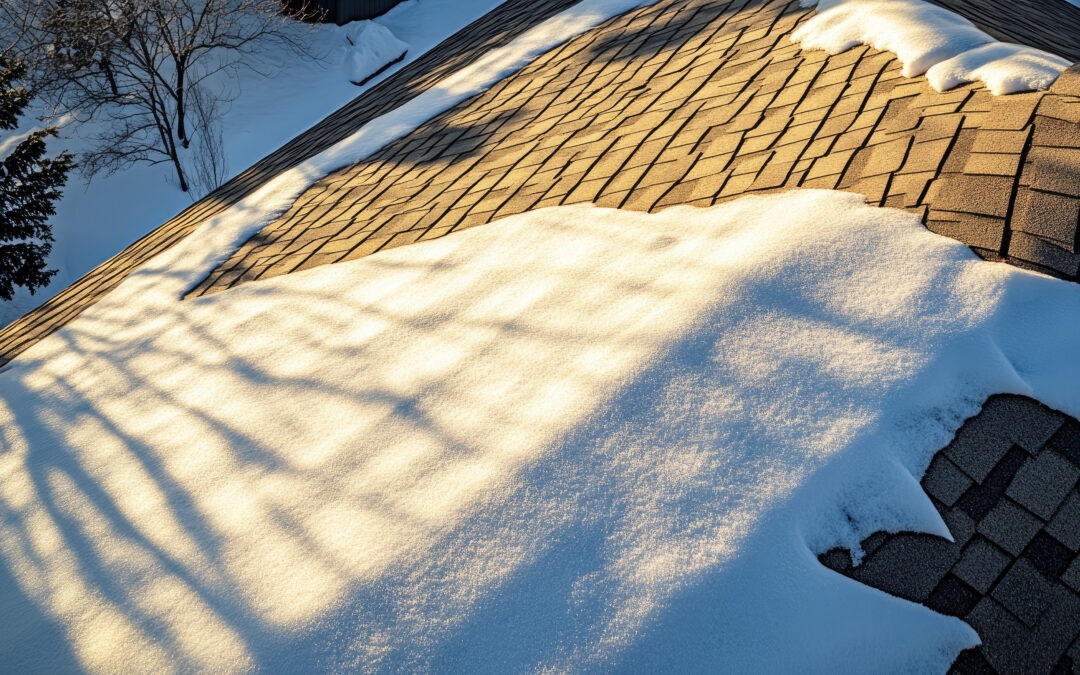
Illinois roofs live a harder life than most people realize. They don’t just keep rain out. They take the long view of the year—snow loads that linger for months, ice that wedges into every seam, spring thaw that tests flashing, summer sun that bakes shingles, and hail that can show up without warning. In other parts of the country, a roof is a static layer. Here, it’s a working system that flexes with the seasons.
Holthaus Roofing’s Illinois-focused resources talk about exactly this: roofing isn’t a once-in-25-years decision in our climate. It’s an ongoing relationship between materials, maintenance, ventilation, and weather. Their approach emphasizes craftsmanship and honest assessments, with a goal of helping homeowners invest wisely and avoid unnecessary work.
This post is designed as a calm reference page—something you can scroll before a seasonal inspection, after a storm, or when your roof simply starts looking “tired.” It explains what affects roof life in Illinois, how to read early warning signs, what to do after hail or wind events, and how to think about material choices and replacement timing. No pressure, no sales pitch—just the stuff that keeps roofs performing well up here.
Why Illinois is a stress test for roofing
Most roofing advice online is written for milder climates. Illinois changes the rules in three big ways.
1. Freeze–thaw cycles quietly break things down
When water seeps into a tiny gap and freezes, it expands. Then it melts, and contracts. That happens a lot here—sometimes daily in spring and fall. Over time, freeze–thaw can:
- widen microscopic cracks in shingles, flashing, and sealants,
- loosen nails or fasteners,
- open pathways for slow leaks that don’t show up until months later.
Holthaus repeatedly points to freeze–thaw as a main driver of early roof aging in Illinois.
2. Snow load and ice dams add weight and water pressure
Snow isn’t just cold. It’s heavy. Roof systems in Illinois must handle sustained load—and then deal with meltwater that refreezes at eaves. Ice dams can push water under shingles and into soffits and walls, especially if attic ventilation and insulation are out of balance.
3. Severe storms are frequent, not rare
Illinois sees regular hail and wind events during the warm season. Even “small” hail can bruise shingles in a way that shortens their life. Wind can lift tabs, break seals, and expose underlayment without leaving an obvious missing-shingle trail. Holthaus’s storm-damage guidance emphasizes that many roofs look fine from the yard but hide functional damage.
The takeaway: in Illinois, roof longevity is about preparation and rhythm, not just the material you started with.
A simple seasonal roof-care rhythm
You don’t need a ladder obsession to keep a roof healthy. You just need consistent check-ins tied to Illinois seasons.
Spring: inspect after winter’s squeeze
Spring is when winter damage becomes visible. Do a ground-level scan first.
What to look for
- shingles that look curled, buckled, or uneven,
- dark streaks or patches that weren’t there last fall,
- flashing that looks lifted around chimneys, vents, or skylights,
- granules collecting in gutters or at downspout exits.
If you do go up there (only if safe), focus on valleys and penetrations—high-leak zones in any climate, but especially after ice pressure. Holthaus notes that spring inspections catch issues before summer storms exploit them.
Attic clues
If you can safely check your attic:
- damp insulation,
- darkened roof decking,
- musty odor,
- or light visible through the roof plane
can indicate slow leaks or ventilation imbalance.
Summer: monitor storm impact
Summer is hail and wind season. After notable storms:
- walk the perimeter and look for shingle pieces, metal fragments, or dented vents,
- check for new exposed nail heads or lifted edges,
- look for downspouts crushed by falling ice or debris.
Holthaus’s storm articles stress not climbing onto the roof right after a storm and instead using visible clues plus a professional inspection if damage seems likely.
Fall: prepare for freeze
Fall is your “tighten everything up” window.
Key tasks
- clear leaves out of valleys and gutters,
- confirm downspouts drain away from the foundation (standing water near the house raises ice-dam risk),
- look for loose flashing and seal wood trim gaps before cold locks moisture in place.
If you’ve had ice dams, fall is also the time to address attic insulation and ventilation so heat doesn’t escape and melt snow unevenly. Holthaus repeatedly links ice-dam control to attic performance, not just rooftop fixes.
Winter: observe patterns
Winter isn’t repair season for most homeowners. It’s pattern season.
Watch for:
- thick ice ridges on eaves,
- unusually large icicles,
- ceiling stains or bubbling paint,
- or frost inside the attic.
These are signs to address in spring, often through ventilation/insulation adjustments rather than repeated roof patching.
The early warning signs that matter most
Roofs don’t fail in a single dramatic moment most of the time—they fade. The earlier you notice “fade,” the cheaper the fix tends to be.
Surface signs
- Granule loss: if gutters fill with granules, the shingle surface is wearing down.
- Curling or “fish-mouthing”: edges lifting indicate aging, heat stress, or past wind lift.
- Random dark spots: can mean moisture retention or hail bruising.
- Uneven shading across roof planes: might point to ventilation differences.
Structural signs
- Sagging roof lines: can be snow-load fatigue, deck deterioration, or framing issues.
- Soft spots underfoot: indicates compromised decking.
- Persistent attic moisture: often ventilation or air-seal related, and it accelerates shingle decay.
Indoor signs
- Water staining on ceilings or upper walls.
- Peeling paint in top-floor corners.
- Musty smells after rain.
A roof leak doesn’t always drip in a straight line; water can travel along rafters and show up far from the entry point.
Holthaus’s “roof longevity” guides underline that waiting for obvious leaks means you’re already late.
Storm damage in Illinois: what to do (and not do)
It’s normal to feel unsure after hail or high wind because roof damage isn’t always visible from the driveway. A calm checklist helps.
Do:
- Take photos from the ground of any visible damage, debris, or missing shingles.
- Check inside for new stains, drips, or attic moisture.
- Note dates and storm details for your own records.
- Get a qualified inspection if you suspect hail bruising, lifted tabs, or hidden flashing damage.
Holthaus describes helping homeowners navigate insurance claims by documenting damage clearly and explaining what adjusters look for. holthausroofing.com+1
Don’t:
- climb up immediately after a storm,
- patch things if you’re not sure what you’re seeing,
- or wait too long if your insurer has reporting deadlines.
The core idea here isn’t urgency for urgency’s sake—it’s that storm damage has a timing component, and Illinois storms can create subtle issues that worsen over a season.
Material choices that make sense in Illinois
The best material depends on budget, style, neighborhood norms, and how long you plan to stay in the home. But Illinois adds a specific performance filter: how does it handle snow, ice, and hail over time?
Holthaus works with multiple materials—including asphalt shingles, metal, and specialty options—and frames material selection as a durability + lifecycle decision, not just aesthetics.
Asphalt shingles (the Illinois default)
Why people choose them
- cost-effective upfront,
- broad style and color choices,
- solid performance when properly installed and ventilated.
Illinois considerations
- impact ratings matter; better hail resistance reduces long-term replacement risk,
- proper ice/water shield at eaves is essential,
- ventilation is non-negotiable for lifespan.
Metal roofing (gaining popularity)
Why it fits IL
- snow sheds more easily,
- high wind resistance,
- long lifespan with lower maintenance.
Considerations
- higher initial cost,
- installation detail matters a lot (fastener systems and flashing precision),
- sound and heat characteristics vary by profile and underlayment.
Specialty materials (cedar, slate, synthetic)
These can perform beautifully in Illinois if matched to the home and installed correctly. Their main tradeoffs are cost and repair complexity.
For a broader, neutral overview of material pros/cons in Illinois climate, regional roofing material comparisons like this non-competitor guide can be useful context.
Important note: even the “best” material fails early if attic ventilation and flashing are done poorly. Holthaus emphasizes workmanship more than almost any other variable and leans on specialization and trained crews for this reason.
Ventilation and insulation: the quiet roof-life multipliers
An Illinois roof is part of a thermal system. If your attic is too warm in winter, you melt snow. If it’s too moist year-round, you rot decking and blister shingles. A healthy system balances:
- intake ventilation (usually soffits),
- exhaust ventilation (ridge vents, roof vents),
- air sealing between living space and attic,
- insulation depth and continuity.
Holthaus’s Illinois roof-care resources describe ventilation as central to longevity and ice-dam prevention.
A simple homeowner clue:
If you see heavy icicles and ice dams in winter and your neighbors don’t, your attic is probably running warmer than it should.
Repair vs. replacement: how to think clearly
This is where most homeowners want a simple rule, but Illinois reality demands a few variables.
Holthaus provides a structured way to think about roof “remaining life” based on age, damage pattern, and system health.
Repair is usually sensible when:
- damage is localized (a small number of shingles, a single flashing zone),
- roof is relatively young,
- decking is solid,
- and there’s no recurring moisture pattern.
Replacement becomes more logical when:
- shingle wear is widespread (curling, granule loss across many planes),
- repeated repairs happen in different locations over a few years,
- there’s hail bruising over large areas,
- or the roof is nearing expected service life and Illinois stress factors have been high.
A good contractor should be able to explain why a repair will hold (or why it won’t) in a way that matches what you’re seeing. Holthaus’s “homeowners first” philosophy highlights transparent, need-based recommendations.
How to evaluate a roofing contractor in Illinois
Even if you’re just gathering information, these criteria matter here more than in mild climates.
- Roofing specialization
Illinois installation details—ice shield placement, valley construction, ventilation layout—are too important to be “one of many trades.” Holthaus argues that dedicated roofing crews reduce mistakes and improve long-term performance. - Clear storm-damage/insurance process
After hail or wind, you want a contractor who can document, explain, and coordinate without drama. Holthaus outlines claims-navigation support as part of their storm-damage work. - Material knowledge for Minnesota conditions
Impact ratings, underlayment choice, ventilation specs, and snow/ice design should be part of the estimate conversation. - Written scope and timeline
A clear scope protects you: what’s being replaced, what flashing is included, what ventilation changes are planned, and how cleanup works.
If you want to sanity-check licensing expectations for residential roofing in Illinois , the state’s licensing resources are a solid neutral reference.
A simple annual “roof health score”
Here’s a lightweight habit you can repeat each spring:
Rate each category 1–5:
- Surface condition: curling, granules, visible wear
- Flashing and penetrations: tightness, rust, seal condition
- Drainage: gutters clear, downspouts working
- Attic system: ventilation, dryness, insulation performance
- Storm impact history: any recurring hail/wind issues
Track the score year to year. A gentle decline suggests planned replacement in a few seasons. A sudden drop after a storm means inspection now.
Closing thought: Illinois roofs last longer when you treat them like systems
The smartest Illinois homeowners aren’t the ones who never think about their roofs. They’re the ones who think about them in small, seasonal ways—inspecting in spring, preparing in fall, responding calmly to storms, and keeping attic performance aligned with the roof above it.
Holthaus Roofing’s Illinois guides reinforce that same idea: longevity comes from craftsmanship, ventilation, and honest timing—not from overreacting or ignoring things until they leak.
If you follow the seasonal rhythm and watch for early warning signs, you’ll be able to make repair or replacement decisions with clarity—and your roof will have the best chance to handle Illinois full range for years to come.
Links
Internal links:
External links: