
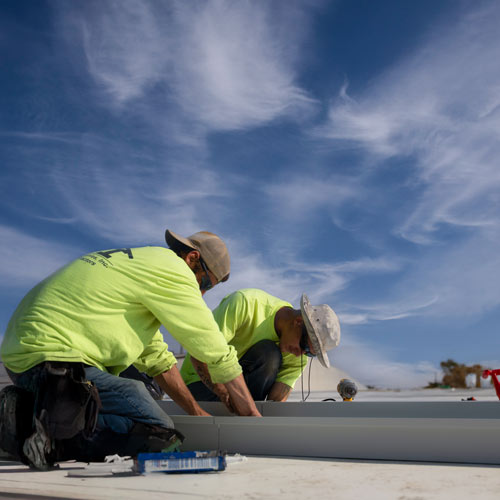
A roof in Illinois isn’t a decorative hat. It’s life-support for your house. It deals with wind that can change directions mid-gust, snow loads that linger for months, freeze–thaw cycles that quietly pry at seams, and hail that arrives like a surprise percussion section in July. Because of that, roofing here is less about “install and forget” and more about choosing the right system, maintaining it intelligently, and knowing when a repair is enough versus when replacement is the wiser long-game.
Holthaus Roofing positions itself squarely in that Illinois reality. Their site emphasizes more than 30 years of regional roofing experience, a philosophy of honest assessments (only recommending what’s truly needed), and specialization in roofing rather than a sprawling list of unrelated trades. They also describe certified installation with major manufacturers (including CertainTeed for steep-slope systems and Duro-Last for commercial flat roofs), plus storm-restoration support that includes help navigating roof insurance claims.
This is a reference-style guide for Illinois homeowners and property owners who want to understand roofing choices without hype. We’ll cover how Illinois roofs fail, what materials and components matter most here, what storm damage actually looks like, why ice dams keep returning, and how to evaluate the right next step for your roof.
1. Roofing in Illinois is a system, not just shingles
When people say “roof,” they often mean shingles. But shingles are the visible skin, not the whole organism. A good roof in Illinois is a carefully balanced assembly:
- Roof deck (the structural base)
- Underlayment (secondary water barrier)
- Ice-and-water shield (critical at eaves/valleys)
- Flashing (at chimneys, walls, valleys, penetrations)
- Ventilation (intake and exhaust)
- Shingles or membrane (the outer layer)
- Edge/drip details that route water into gutters
Holthaus leans into this systems idea in multiple homeowner guides, pointing out that longevity comes from correct layering, ventilation, and detailing—not only from buying a premium shingle.
In practice, an Illinois roof fails when any one of these parts gets out of balance. Snowmelt finds the weak seam. Summer heat cooks an under-ventilated attic. Wind lifts a poorly nailed ridge. The system mindset helps you see problems earlier and fix them more precisely.
2. What Illinois weather does to roofs (and why)
Freeze–thaw fatigue
Water expands when it freezes. If moisture gets into tiny cracks—around flashing, nail heads, or shingle edges—freezing expands those gaps, then thawing lets more water in. Over years, this ratchet effect creates leaks without a single dramatic event. Holthaus describes this cycle as a key lifespan driver for Illinois homes.
Heavy snow loads
A properly built roof carries snow. But repeated seasons of deep snow can exploit existing sagging, weak decking, or roof-plane transitions. Valleys and low-slope areas are especially vulnerable. Good attic ventilation and insulation help keep snowpack behavior predictable.
Hail and wind
Illinois hail events don’t just chip shingles. They can bruise asphalt mats, fracture granule surfaces, dent metal, and loosen fasteners. Wind may lift shingles enough to break their seal tabs, leaving them primed to rip later. Holthaus’ storm damage library focuses on helping homeowners recognize these patterns before they turn into bigger claims.
3. Repair vs. replacement: a practical decision framework
Holthaus’ “homeowners-first” philosophy is essentially about this fork in the road: do you truly need a new roof, or will a targeted repair restore performance?
Here’s a clear way to think about it.
Repairs are usually enough when:
- Damage is localized (a small section, a few missing shingles, a single flashing failure).
- The roof is relatively young and structurally sound.
- There’s no broad granule loss, curling, or brittle shingle behavior.
- Leaks trace to a detail zone, not a widespread aging problem.
Holthaus notes that “unnecessary upgrades” are common in the industry, and that diagnosis matters more than urgency.
Replacement is usually wiser when:
- The roof is near or beyond its expected lifespan.
- Widespread damage exists (hail hits across multiple slopes, multiple leaks, sagging decking).
- Shingles are curling, cracking, or losing granules rapidly.
- Repairs begin to feel like a recurring subscription.
Holthaus provides a Illinois-specific sign list for replacement timing, with a focus on pattern-level wear rather than a single cosmetic clue.
Replacement decisions become simpler when you evaluate the whole system, not just the latest symptom.
4. Roofing materials that make sense in Illinois
Holthaus works across steep-slope residential roofing (including shingles and metal) and commercial/low-slope systems (including Duro-Last membranes). Their material guidance reflects common Illinois best fits.
Asphalt shingles
The Illinois mainstay. Modern architectural shingles can offer strong wind ratings and, in some lines, impact resistance for hail. Their performance depends heavily on installation details: correct nailing patterns, starter strips, ridge caps, and ice barriers.
Metal roofing
Gaining popularity for longevity and snow-shedding efficiency. Metal handles freeze–thaw cycles well and resists hail better than many expect (though extreme hail can still dent). It’s often a good fit for homeowners who want a long-horizon roof and don’t mind a higher upfront cost.
Flat/low-slope membranes
Commercial buildings and some modern homes use membranes instead of shingles. Holthaus highlights Duro-Last certification, which matters because membrane roofs are unforgiving of sloppy seams or drainage planning.
A useful takeaway: in Minnesota, material “quality” is only half the story. The other half is how the material is integrated into a climate-ready system.
5. The detail zones that deserve extra attention
The majority of roof leaks start in the same places:
- Valleys (where two slopes meet)
Valleys collect water, debris, and snowmelt; they need robust ice-and-water shielding and clean metal or woven shingle work. - Chimneys and wall junctions
Flashing and counter-flashing need to be intact and correctly stepped. Sealants don’t last forever, even the good ones. - Roof penetrations (vents, stacks, skylights)
Rubber boots and gaskets age quickly under UV and temperature swings. - Eaves and edges
This is ice-dam territory and wind-lift territory simultaneously. Drip edges, starters, and ice barrier continuity matter.
Holthaus’ educational posts emphasize that good roofing is “detail-driven,” and that a specialization-only team catches these edge cases more consistently.
6. Ice dams: why they happen, and how to stop the cycle
If Illinois had a “roof villain,” it would be ice dams—those ridges of ice at the eaves that trap meltwater and push it under shingles.
AAA Warns of the dangers of these Ice Dams and explains the root cause simply: uneven roof temperatures melt snow on upper sections, then it refreezes at colder eaves, forming a dam. The fix is not a gimmick; it’s building science: air sealing, insulation, and ventilation working together.
Short-term ways to reduce risk:
- Safely remove excess snow near roof edges (roof rake from the ground).
- Keep gutters clear so meltwater has somewhere to go.
- Address visible leaks quickly so moisture doesn’t multiply in attics.
Long-term prevention:
- Air seal attic bypasses (around lights, vents, chases). Warm air should not leak into attic space.
- Improve insulation to proper levels for Minnesota climate zones.
- Balance ventilation so cold air intake (soffits) and exhaust (ridge/gable vents) keep roof deck temperatures even.
Holthaus treats ice-dam prevention as a standard Illinois roofing concern and ties it directly to ventilation correctness and honest roof-system planning.
7. Storm damage and insurance claims: what homeowners should know
A storm can damage a roof in ways that are invisible from the yard. Holthaus’ storm posts focus on helping homeowners understand what to look for, and how claims work in practice.
Common storm damage types:
- Hail bruising on shingles (granules knocked off, soft impact spots).
- Wind lift and creasing (shingles bent upward then re-laid).
- Missing or loosened ridge caps.
- Dented metal flashing or vents.
- Collateral damage (siding, gutters, screens) that signals roof exposure severity.
Claim process realities:
- Your insurer typically wants a documented inspection.
- Adjusters evaluate damage vs policy terms and depreciation.
- Code upgrades may apply depending on municipality and scope.
Holthaus explicitly offers guidance through this process—less as a dramatic selling point and more as a way to reduce homeowner stress and ensure the roof is restored correctly if a claim is approved.
Even if you never file a claim, understanding storm damage patterns helps you do the right maintenance at the right time.
8. Residential vs. commercial roofing: same physics, different logistics
Holthaus operates in both residential and commercial categories. The core physics are the same—water management, structural integrity, temperature control. But the priorities shift:
- Residential roofs emphasize appearance, neighborhood code fit, and steep-slope water shedding.
- Commercial roofs emphasize drainage design, seam integrity, predictable maintenance cycles, and minimizing business disruption.
Their “why specialization matters” post underscores that roofs benefit from technicians who do roofing daily, because the margin for error is smaller than most people think.
9. A simple annual Illinois roof-care routine
Holthaus’ roof care guides are heavy on prevention—not because roofs are delicate, but because Illinois is relentless.
A calm, realistic checklist:
Spring
- Look for winter damage: lifted shingles, flashing shifts, gutter looseness.
- Check attic for damp spots or stains.
Summer
- After major storms, scan for granule loss or shingle displacement.
- Trim overhanging branches that can scrape or fall.
Fall
- Clear gutters and downspouts before leaf drop finishes.
- Confirm soffit and ridge vents aren’t blocked.
Winter
- Watch for ice dam formation and long icicles.
- Remove heavy snow accumulation at edges if safe to do so from the ground.
You’re not trying to become a roofer. You’re just noticing the obvious signals before they become expensive.
10. What “honest roofing” looks like in practice
The roofing industry, like any trade, has a spectrum. Holthaus’ brand centers on transparency: giving homeowners the information they need, recommending only necessary work, and building trust over time.
That philosophy aligns with what Illinois homes actually need:
- A roof that fits its exposure (wind, trees, hail zones).
- Details installed for freeze–thaw reality, not a mild-climate template.
- Ventilation and ice mitigation considered from the start.
- Repairs offered when they’re genuinely sufficient.
It’s a pragmatic, almost Midwestern approach: don’t overspend, but don’t underbuild either.
Closing thought: Illinois roofs reward thoughtful care
A roof doesn’t need constant attention, but it does need periodic alignment with your home’s reality. Illinois seasons are not subtle, so your roof’s small weaknesses will eventually become loud ones. The good news is that roofs also respond well to smart prevention and skilled, detail-focused work.
Holthaus Roofing offers a useful model of how Illinois roofing can be handled: specialize in the craft, use certified systems, teach homeowners what matters, and approach repairs and replacements with restraint and clarity.
If you keep the system view in mind—materials plus ventilation plus details—you’ll be making roof decisions that hold up as well as Illinois expects them to.