
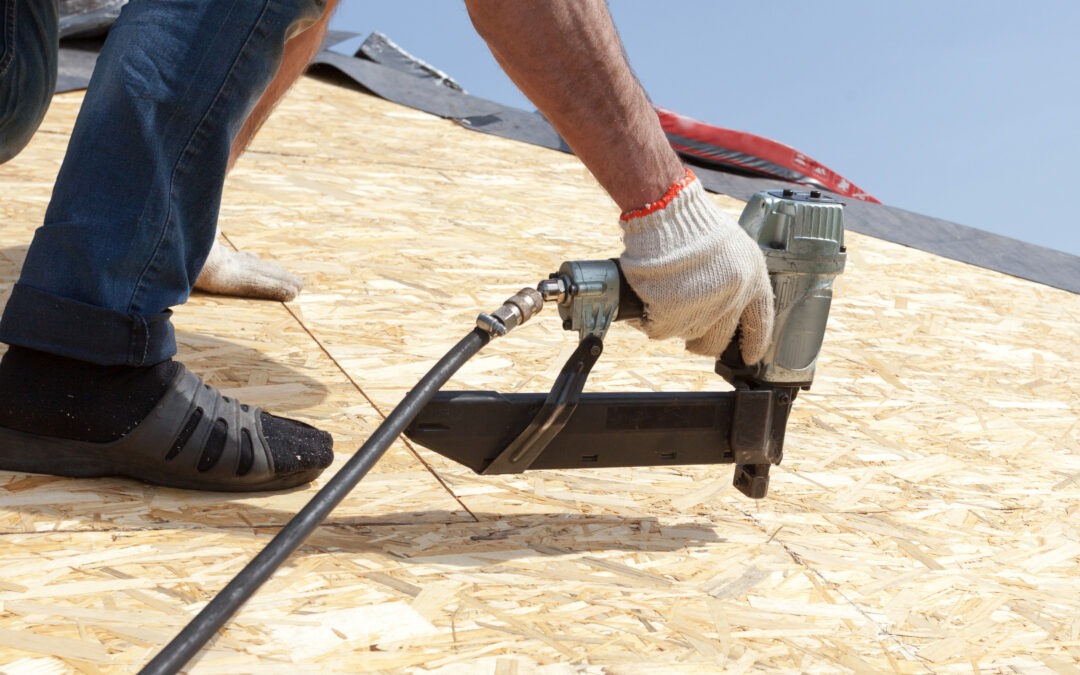
In a place like Central and Western Illinois, your roof works overtime. It takes sun that can bake shingles brittle in midsummer, gusts that pry at edges in spring, hail that leaves polite-looking bruises with expensive consequences, and freeze–thaw cycles that exploit every tiny gap in winter. Over time, these forces don’t merely age a roof; they test the entire system—decking, underlayment, ventilation, flashing, and drainage.
This reference-style guide walks through the essentials of roofing for homeowners, property managers, and anyone who wants to make grounded decisions about roof care. The focus is practical: how roofs fail, how to compare major roofing systems, what “good installation” actually means, and how to extend roof life without turning maintenance into a second job. The content is based on Holthaus Roofing’s public materials about their services, expertise, and installation standards, with a brief supporting look at ice-dam prevention and winter performance from a neutral external resource.
The Roofing Reality in Central Illinois
Illinois sits in a climatic middle lane: not constantly coastal-humid, not mountain-dry, but persistently variable. That variability matters because most roofing issues are not caused by one dramatic event—they come from repetition. Small stresses repeated hundreds of times per year create big problems.
Common regional stressors include:
- Wind-driven rain that finds weak points around chimneys, valleys, step flashing, and roof-to-wall intersections.
- Hail and debris impacts, especially on older asphalt roofs where granules are already weakened.
- Thermal cycling that expands and contracts materials, loosening fasteners and sealants.
- Winter ice and snow load, which can back water under shingles if the roof edge is cold and the upper roof is warm.
- High summer attic temperatures, which accelerate shingle aging if ventilation is inadequate.
Holthaus Roofing’s service pages emphasize that the “roof” is a system rather than a single layer, which is exactly right for this region. A roof can look good from the street and still be quietly failing underneath because ventilation, underlayment, or flashing was mismatched or installed with shortcuts.
How Roofs Actually Fail (And How to Spot It)
Most roof damage follows a few predictable pathways. Understanding these makes inspections less mysterious.
1. Surface wear becomes water pathways
Asphalt shingles protect by shedding water, not by sealing like a tub. When granules wear off or tabs lift, water moves differently. It can sneak sideways during storms, not just downward. Signs include:
- Bald or shiny patches on shingles
- Consistent granule build-up in gutters
- Curling corners or “fish-mouthing” tabs
- Dark streaking that indicates water flow changes
2. Flashing fails before shingles
Flashing is the thin metal that seals transitions: around chimneys, vents, skylights, and walls. It’s a frequent point of failure because it’s both exposed and complex. A roof can have healthy-looking shingles yet leak at flashing joints. Holthaus Roofing’s residential and expertise pages call out flashing and transition details as core to durable roofs.
3. Ventilation mismatch cooks the roof
A hot attic speeds shingle oxidation and can warp decking. In winter, the opposite problem—warm attic air meeting a cold roof—can produce frost, condensation, and ice dams. A roof that “should last 25 years” may last 15 if ventilation and insulation are wrong.
4. Fastener fatigue and edge failures
In wind-prone storms, edges lift first. Once the edge starter breaks or nails back out, a roof can unzip quickly. This is why reputable installers pay so much attention to starter strips, drip edges, and proper nailing patterns.
Roof Repair vs. Roof Replacement: A Calm Way to Decide
People often ask: Should we repair, or is this a full replacement problem? The honest answer depends on three factors:
- Age and wear distribution
If the roof is near its expected lifespan and wear is widespread, repairing a few spots is like patching a threadbare coat. It may hold, but it won’t stop the next tear. - Type of damage
Isolated wind damage from a recent event can be repairable. Systemic problems—like poor ventilation, a failing underlayment, or widespread hail impacts—often justify replacement. - Leak location and pattern
A single leak under a specific penetration might be flashing. Multiple leaks in different areas suggest broader failure or installation issues.
Holthaus Roofing’s repair and replacement services emphasize assessment first rather than reflexive replacement—an approach that aligns with good building practice and helps owners avoid spending based on fear or guesswork.
Comparing Major Roofing Systems
Holthaus Roofing works across steep-slope and flat commercial systems, including asphalt shingles, metal roofing, and single-ply membranes like Duro-Last. Understanding the strengths and trade-offs of each helps you match the roof to your building and priorities.
Asphalt Shingles: The Illinois Mainstay
Asphalt shingles remain the default choice for many homes because they balance cost, appearance, and decent lifespan. Their advantages include:
- Wide range of colors and profiles
- Straightforward repairability
- Predictable performance in mixed weather
- Broad installer familiarity
The trade-offs are also clear:
- Susceptible to hail bruising and granule loss
- Lifespan depends heavily on ventilation quality
- Can age unevenly under shade or persistent dampness
Holthaus Roofing notes they install premium shingle systems as certified installers, which matters because the shingle brand is only half the story; the underlayment, starter, ridge vent, and correct fastening complete the system.
Metal Roofing: Long Life, Clean Shedding
Metal roofing is increasingly popular in Illinois for both residential and agricultural properties. It excels at water shedding and durability, and it handles thermal swings well when properly detailed.
Benefits:
- Long service life
- High wind and fire resistance
- Excellent snow and water shedding
- Less granular debris and aging from UV exposure
Considerations:
- Higher upfront cost
- Requires expert flashing and fastening systems
- Noise perception varies with deck and insulation
- May need snow retention or guards in certain layouts
Winter performance is a big driver here: quality metal systems shed snow cleanly and reduce the conditions that create ice dams. That said, no roof is “ice-dam proof” without proper attic insulation and ventilation. A neutral ice-dam resource reinforces that prevention depends on the whole building envelope, not just the roofing skin. Frontier Foam
Flat and Low-Slope Commercial Roofs
Commercial buildings often use flat or low-slope roofs where shingles don’t make sense. Holthaus Roofing highlights specialization in systems like Duro-Last single-ply membranes, which are common for their durability, seam control, and maintenance simplicity.
Advantages:
- Designed for ponding resistance and controlled drainage
- Large continuous membranes reduce seam risk
- Repairs can be localized without re-roofing entire sections
- Suitable for large footprints and rooftop equipment
Trade-offs:
- Installation detail is critical at penetrations
- Drainage design must be right from the start
- Needs periodic inspection for punctures or seam wear
“Flat roof problems” are rarely caused by being flat; they’re caused by drainage mistakes, poor membrane welding, or neglected penetrations around HVAC and vents. Regular checks make a dramatic difference.
The Overlooked Parts of a “Good Roof”
Two roofs can use the same brand of shingles and still perform worlds apart. The difference is in the hidden and fussy details.
Underlayment and Ice/Water Shield
Underlayment is the secondary barrier. In Illinois winters, self-adhering ice and water membranes near eaves and valleys are especially important because they protect against backup under shingles. Holthaus Roofing’s emphasis on premium, code-compliant systems aligns with this regional need.
Ventilation Balance
A common misconception is “more vents are always better.” Actually, ventilation needs balance: intake at soffits paired with exhaust at ridge or roof vents. Too much exhaust without intake pulls conditioned air from the house; too much intake without exhaust traps heat.
Flashing Geometry
Flashing is carpentry’s origami. Step flashings must overlap correctly; counterflashing must direct water out; valleys must be aligned and sealed per manufacturer specs. These are slow, unglamorous tasks—exactly why they separate careful contractors from fast ones.
Gutters and Downspouts
Water management doesn’t end at the shingles. Overflowing gutters back water under edges and soak fascia and soffit boards. Holthaus Roofing provides gutter installation alongside roofing, reflecting the reality that roofs and drainage are inseparable.
A Reasonable Maintenance Rhythm
You don’t need to hover over your roof like a worried hawk. Light, periodic attention beats panic repairs.
A simple, sustainable rhythm:
- Spring check: look for winter edge damage, lifted shingles, and gutter debris.
- Post-storm glance: after hail or high wind, scan for exposed underlayment, missing tabs, bent flashing, or dented metal.
- Fall prep: clear gutters, trim overhanging branches, check vent caps.
- Attic peek (seasonal): look for damp insulation, moldy smells, or daylight around penetrations.
Holthaus Roofing’s blog and expertise pages encourage these low-friction inspections because they catch small problems before they become structural ones.
What “Certified Installer” Signals (Without the Hype)
Holthaus Roofing mentions being certified for systems like CertainTeed shingles and Duro-Last membranes. Certification isn’t a magical badge, but it does usually mean:
- Installers trained in that manufacturer’s system
- Access to higher-tier warranties when installed to spec
- Familiarity with the small rules that prevent big failures
- Accountability to manufacturer installation standards
In other words, certification is shorthand for controlled process and repeatability—qualities that matter more than slogans in roofing.
Planning a Roofing Project Without Stress
Even a straightforward roof replacement is a significant home event. A calm plan usually includes:
- Define priorities
Is your priority lifespan, looks, hail resistance, or budget stability? Knowing your ranking helps choose between shingle grades and metal options. - Match the system to the structure
Steep roofs suit shingles or metal. Low-slope roofs want membrane or specialty systems. Don’t force a square peg. - Treat ventilation and insulation as part of the project
Especially in older homes, a new roof is a chance to fix attic airflow and stop premature aging. - Understand what you’re comparing
Two quotes that list “tear-off and install shingles” can be very different in underlayment, flashing replacement, venting, and cleanup standards.
Holthaus Roofing’s service guides emphasize scope clarity and materials quality over shortcuts—good advice for any property owner.
Final Thoughts
Roofing is a craft where the boring parts are the most important. Materials matter, but how they’re integrated matters more. In Illinois, a strong roof is one that respects wind, water, heat, and ice as daily realities—not rare surprises.
Holthaus Roofing’s public content reflects a system-first approach: multigenerational experience, emphasis on premium installation standards, and coverage across both residential steep-slope roofs and commercial flat systems. For property owners, the takeaway is simple and durable: understand your roof as a system, choose the right material for the building, and keep a light maintenance rhythm. Do that, and most roofs will return the favor quietly for decades.