
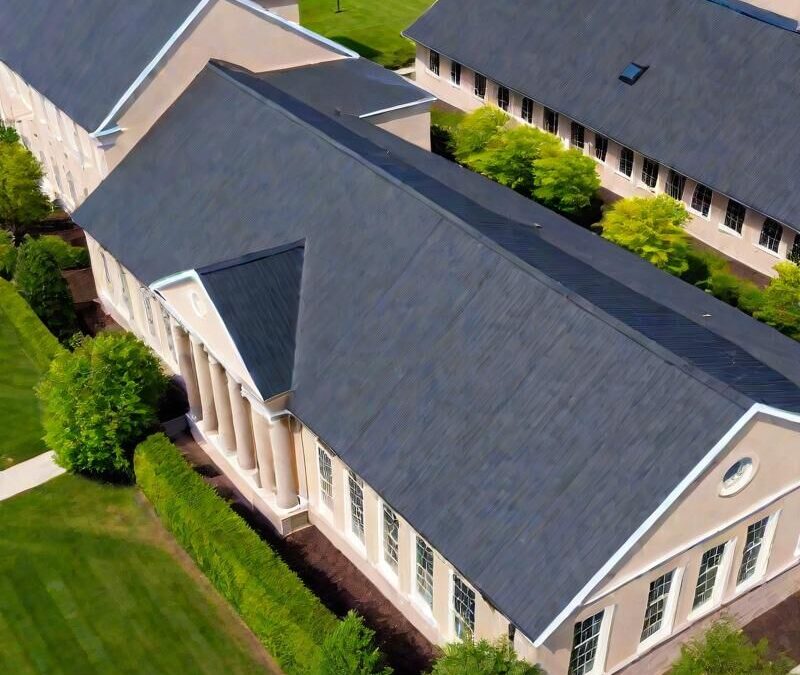
A roof is one of the most critical components of a home — especially in Illinois’ diverse climate. From deep winter freezes to summer storms, residential roofs take a beating year-round. Homeowners seeking reliable information on roofing choices, care, and performance need clear, trusted guidance. In this reference page, we explore what makes residential roofing in Illinois unique, how different materials perform, key maintenance practices, and how to think about roof longevity.
This guide aims to inform and educate homeowners on everything from selecting the right shingles to understanding why seasonal inspections matter. It’s crafted around real roofing challenges in Illinois and based on expert insights that help you make decisions with confidence.
Understanding Illinois’ Roofing Challenges
Illinois’ climate plays a huge role in how residential roofs perform over time. Snow loads, ice dams, freeze-thaw cycles, hailstorms, and strong winds are all part of the weather reality here. Because of this, roofs must be built and maintained with those elements in mind — not just aesthetics.
Heavy snow and ice accumulation add significant weight to a roof structure. Ice dams, which occur when warm attic air melts snow at the roof’s peak and refreezes at the colder eaves, can trap water and lead to leaks. Freeze and thaw cycles create subtle movement in roofing materials, potentially compromising seams and shingles over time. These factors contribute to a roof’s aging process faster in Illinois than in milder climates.
In addition to structural stresses, hail and wind can dislodge shingles or cause granule loss — a sign of asphalt shingle deterioration. Understanding these conditions helps set realistic expectations for lifespan and maintenance needs.
Choosing the Right Roofing Materials
Selecting appropriate roofing materials is one of the most impactful decisions a homeowner can make. Each material offers unique benefits, limitations, and performance characteristics.
Asphalt Shingles — The Standard for Many Homes
Asphalt shingles are the most common residential roofing material across North America for a reason: they balance cost, performance, and visual appeal. These shingles use asphalt for waterproofing and are widely recognized for their versatility. Over time, regular maintenance such as debris removal and managing algae growth can prolong their performance.
Metal Roofing — Durability Meets Longevity
Metal roofs are increasingly popular due to their resilience to wind, snow, and hail. They tend to shed snow efficiently and can last significantly longer than asphalt — sometimes 40 to 70 years with proper installation and care. While the upfront cost tends to be higher, many homeowners see long-term value in reduced repair needs and extended service life.
Specialty Materials and Alternatives
Other roofing materials — such as slate, tile, or even copper — may offer specific aesthetic or performance benefits. For example, copper roofing can last for centuries and offers a distinctive look, though it comes with a much higher price tag.
Key Considerations in Material Selection
When choosing roofing materials, consider these factors:
- Climate suitability: Some materials handle freeze-thaw cycles better than others.
- Lifespan expectations: Asphalt shingles typically last 20–25 years, while metal and specialty materials may last much longer.
- Maintenance needs: Certain materials require more frequent upkeep to maintain performance.
- Cost vs. value: Weigh upfront expenses against potential long-term savings from durability and lower maintenance.
Understanding both the material properties and the Illinois environment helps homeowners select roofing options that align with their goals.
The Importance of Professional Installation
Even the best materials can underperform if improperly installed. Roofing professionals with regional experience bring both technical skill and local knowledge. They understand how Illinois’ weather patterns influence installation methods, ventilation strategies, and roof slope considerations.
Specialization matters. Roofers who focus exclusively on roofing — and not as a secondary service — tend to deliver higher quality, fewer mistakes, and better performance outcomes.
Seasonal Maintenance: A Homeowner’s Guide
Maintaining a residential roof isn’t a once-and-done task. A proactive approach helps extend roof life and prevent costly damage.
Spring Inspection
After a long winter, inspect for:
- Missing or lifted shingles
- Granules in gutters
- Signs of ice dam damage
- Any flashing displacement
Spring is an ideal time to clear debris and address winter-related issues.
Summer Preparation
In summer, watch for storm damage from storms that include hail or strong winds. While summer weather may be milder overall, sudden storms can cause significant wear.
Fall Readiness
Before the snow flies, ensure gutters are clear, ventilation is functioning, and any minor repairs are completed. Preventing ice dam formation is easier when roof drains and ventilation systems are working well.
Winter Vigilance
Winter maintenance focuses on safety and prevention:
- Remove heavy snow accumulation when safe
- Monitor for signs of ice dams
- Ensure attic ventilation and insulation are adequate to reduce heat loss that contributes to ice formation
The right seasonal maintenance routine keeps your roof performing year-round and can catch small issues before they grow into larger problems.
Ventilation and Insulation: The Unsung Duo
Attic ventilation and insulation play a crucial role in roof performance. Good ventilation helps reduce heat buildup in summer and minimizes ice dam formation in winter by keeping roof deck temperatures more consistent. Ridge vents — installed at the peak of a sloped roof — allow warm, humid air to escape the attic space, but they are most effective when paired with soffit vents to encourage proper air flow.
Proper insulation supports this balance by reducing heat transfer from interior living spaces into the attic. Together, ventilation and insulation create conditions that protect roofing materials and improve overall energy efficiency.
Signs It’s Time for Roof Replacement
Knowing when to repair versus replace your roof can save money and stress. Some key indicators include:
- Roof age approaching or exceeding expected lifespan
- Persistent leaks despite patch repairs
- Major shingle damage (cracks, curling, significant granule loss)
- Interior signs like water stains or sagging ceilings
- Damage from severe weather events
Evaluating these signs holistically helps homeowners plan for replacement before emergency failures occur.
Longevity: What Homeowners Should Ask
To better understand roof longevity, consider these questions:
- What material lifespan can I reasonably expect in Minnesota’s climate?
- How does installation quality affect warranty and performance?
- What maintenance plan is optimal for my home?
- Are the ventilation and insulation adequate?
Seeing your roof as part of a larger home system — including attic, gutters, and ventilation — encourages better overall performance and value.
Summing It All Up
Residential roofing in Illinois is more than shingles on a house. It’s about matching material performance to climate challenges, investing in quality installation, and committing to thoughtful maintenance. Whether you’re selecting materials for a new build or evaluating the lifespan of your current roof, understanding these fundamentals helps you steward one of your home’s most critical systems.
Keep in mind that a well-maintained roof not only protects your home’s interior but also contributes to energy performance, curb appeal, and long-term property value. By prioritizing both quality materials and proactive care, Illinois homeowners can help ensure their roofs stand strong through every season.
Resources: