
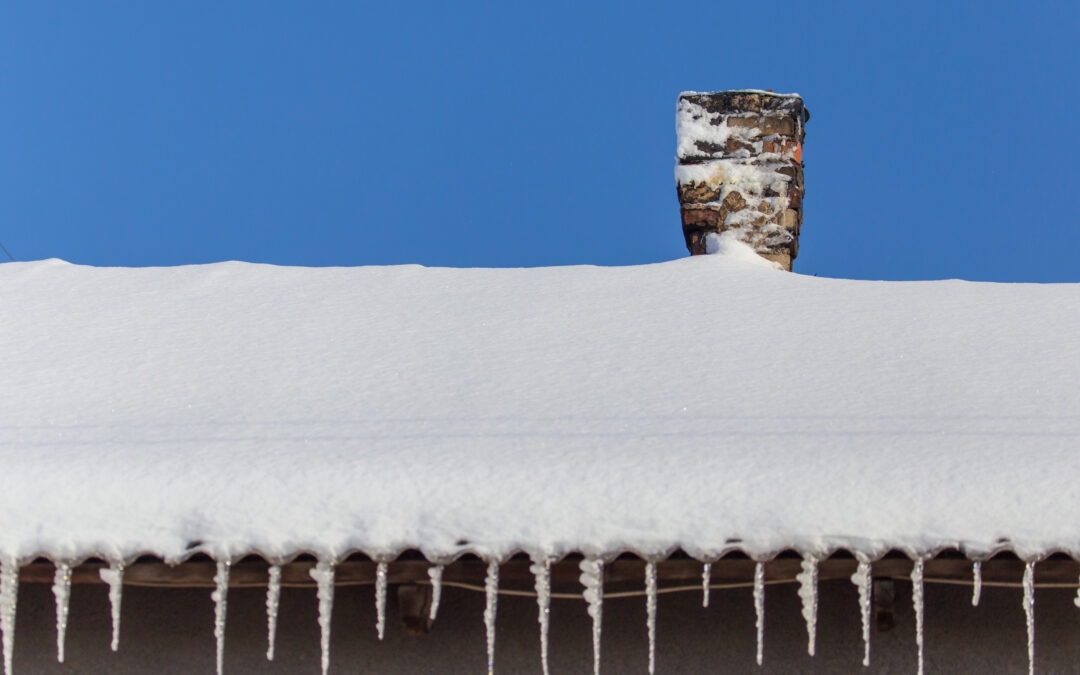
Winter’s arrival brings beauty — and unique challenges — for homeowners across cold-climate regions. From snow accumulation and ice dams to freezing temperatures and wind, winter weather places distinct demands on roofing systems. Whether you’re replacing an aging roof or simply preparing for the season ahead, understanding winter roofing essentials helps protect your home, improve energy efficiency, and reduce the risk of costly damage.
At Holthaus Roofing, winter roofing isn’t an afterthought — it’s a proactive strategy that includes material selection, installation best practices, and seasonal maintenance designed to stand up to snow, ice, and cold. This reference guide walks through how winter conditions affect roofs and what practical measures help ensure your roofing system performs reliably throughout the colder months. (Note: this post is designed as a professional reference overview rather than a sales message.)
Why Winter Roofing Matters
Roofs serve as the front line between a home’s interior and the harsh outdoor environment. During winter, they face several stressors:
- Heavy snow loads that add weight
- Freeze-thaw cycles that expand and contract roofing materials
- Ice dams that trap meltwater against vulnerable areas
- Low temperatures that affect material flexibility
Understanding these winter mechanics helps homeowners anticipate common issues and plan accordingly.
Snow Load: The Weight on Your Roof
Snow buildup isn’t simply cold and white — it’s heavy. A foot of fresh snow can weigh 20–30 pounds per square foot, and when snow becomes wet or compacted, that weight increases significantly. This added load can strain roof structure, especially on lower-pitch roofs or older framing systems. Regular snow removal from roof edges and valleys (done safely) helps reduce long-term structural stress.
Ice Dams: What They Are and Why They Form
Ice dams are one of the most notorious winter roofing problems. They occur when heat escapes from the attic, warming the upper roof and melting snow. The meltwater flows to colder eaves and refreezes, forming a ridge of ice that traps more water behind it. As water backs up under shingles, leaks and interior damage can result.
Key factors contributing to ice dams include:
- Insufficient attic insulation
- Poor ventilation
- Uneven roof surface temperatures
Addressing these elements — not just removing ice — helps reduce the likelihood of recurring dams.
Materials That Withstand Winter Conditions
Selecting roofing materials suited for colder climates is part of winter-ready roof planning. Important characteristics include impact resistance, temperature flexibility, and moisture tolerance.
Asphalt Shingles
Asphalt remains a popular choice due to its balance of durability and cost. Many modern asphalt products include enhanced granules and thicker constructions that resist freeze-thaw stresses.
Metal Roofing
Metal panels and shingles offer excellent snow-shedding ability and resist damage from ice and cold temperature contraction. Their smooth surface encourages snow to slide off, reducing excessive buildup.
Synthetic Underlayments
Beneath shingles or metal, a quality synthetic underlayment provides a water-resistant barrier that performs better in cold conditions than traditional felt.
In colder climates, product specification and installation quality matter as much as material choice — proper flashing, sealants, and ventilation detail help ensure winter performance.
Insulation and Ventilation: The Dynamic Duo
Winter roofing relies heavily on how well your attic manages heat and airflow. Proper insulation slows heat transfer from living spaces to the roof deck. Balanced ventilation circulates cold outside air through attic spaces, helping maintain a uniform roof temperature.
When insulation and ventilation work together, they:
- Reduce ice dam formation
- Improve energy efficiency
- Support longer roof component life
Assessments of insulation levels and ventilation strategy are essential winter preparation steps, especially in homes built before modern energy codes.
Gutter Considerations in Winter
Gutters play a functional role in directing melting snow and ice away from your foundation. In winter, blocked or frozen gutters can contribute to ice dam challenges. Options like heated gutter cables or snow guards help manage ice movement and reduce clogs, allowing water to flow more predictably.
Snow Removal: Do’s and Don’ts
Removing snow from your roof can be beneficial, but it must be done safely to avoid damage or injury. Best practices include:
- Using roof rakes with plastic edges to minimize shingle abrasion
- Clearing edges and valleys first
- Avoiding walking directly on snow-covered roofs
- Hiring professionals for steep or complex rooflines
Proactive snow management reduces weight strain and helps minimize water infiltration through concealed weak spots.
Winter Roof Inspections: When and Why
Getting a roof inspection before winter sets in helps identify vulnerabilities such as:
- Loose or damaged shingles
- Weak flashing around chimneys and vents
- Inadequate attic insulation or ventilation
- Blocked gutters or downspouts
A professional inspection can reveal issues that, if left unattended through winter, could turn into costly repairs in spring.
Emergency Winter Roof Repairs
Even well-prepared roofs may need adjustments after winter storms. Common winter repair needs include:
- Shingle replacement after wind or hail
- Sealant refresh around penetrations
- Attic ventilation tweaks
- Ice dam mitigation solutions
Addressing these promptly helps prevent water intrusion and protect interior structure and finishes.
Saving Energy Through Winter Roofing Strategy
A winter-ready roof also contributes to energy management. By minimizing heat loss through the attic and improving thermal performance, homeowners can see:
- Reduced heating bills
- More consistent indoor temperatures
- Less stress on HVAC systems
Many homeowners find that addressing roof insulation pays dividends both for winter roofing performance and long-term energy savings.
Local Climate Considerations
Homes in northern climates — like Minnesota, where winters bring prolonged cold and frequent snow — demand roofing systems built with these challenges in mind. Material performance, installation quality, and seasonal care all play larger roles in areas with extended freeze periods and fluctuating weather conditions.
Choosing Professional Roofing Support
Winter roofing preparation involves evaluation, planning, and precision installation. Professionals bring experience, tools, and safety practices that help make these processes smoother and more effective. Expert guidance ensures that product choices and installation techniques align with specific environmental demands.
Resources: