

Residential Roofing
What to Expect During a Roof Replacement, Step by Step
From the first look at your roof to the last nail picked up off the lawn, here is how the job actually goes and what you can do to get ready.
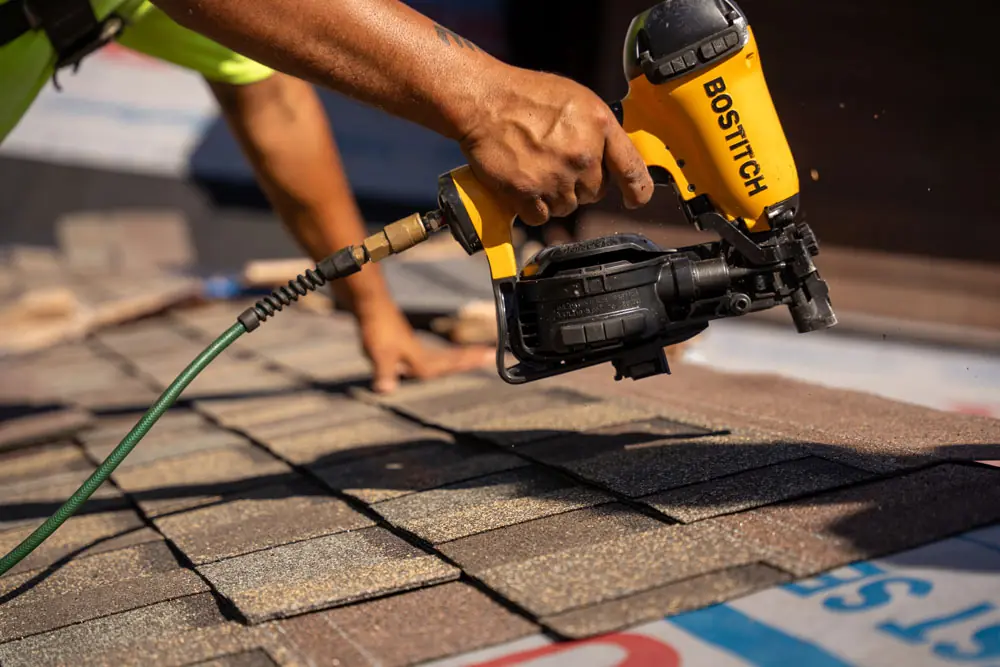
Replacing your roof is a big project, and it’s not something most homeowners go through more than once or twice. Maybe your roof has seen better days, maybe a storm got to it, or maybe you’re just ready for an upgrade. Either way, you’re about to let a crew tear the top off your house, and you’d like to know what that day looks like before it happens. That’s a fair thing to want. This guide covers what to expect during a roof replacement, from the first inspection to the final cleanup, so nothing about it catches you off guard.
I’m Craig Stafford, the steep slope manager at Holthaus Roofing. I run our residential jobs from start to finish: the inspection, the estimate, the crew, and the billing. Before I joined Holthaus, I spent years as an insurance adjuster, so I’ve seen a lot of roofs, good and bad, from both sides of the fence. Here’s how a roof replacement goes when it’s done right.

Step 1: The Roof Inspection and a Written Estimate
It all starts with somebody getting up on your roof. Nobody can give you an accurate number on a roof they haven’t been on, so we don’t do prices over the phone. When I’m up there, I’m looking for things like:
- Missing, cracked or curling shingles
- Granular loss, meaning bare spots where the crushed rock that protects the asphalt has worn off
- Worn-out flashing around the chimney, vents and walls
- Ventilation problems, which show up in the attic as heat, moisture or frost
- Water stains or signs of leaks inside
- Soft spots or sagging areas that could mean rotten decking
If a replacement is what the roof needs, you get a written estimate that spells out the scope, the materials, the cost and so forth. If a repair will buy you a few more years, I’ll tell you that too. Not every old roof needs to come off this year, and you shouldn’t spend that money before you have to.
If the damage is from a storm, the order changes a little. You file the claim, I document the damage with photos, and I meet your adjuster on the roof so we’re both looking at the same thing. Having been the adjuster, I know what they need to see. The claim itself stays between you and your insurance company. Our storm damage and insurance claims guide walks through that side of it.
Step 2: Choosing Your Roofing Material
This is where you get to make some decisions. On most central Illinois homes, the choice comes down to asphalt shingles or metal roofing.
- Asphalt shingles. What most homes around here have. We install CertainTeed shingles, and the Landmark, Landmark Pro and Presidential lines cover most budgets and looks, in a wide range of colors.
- Metal roofing. Long-lasting and a good fit for some homes and outbuildings. Metal panels typically carry a long paint warranty, usually 40 years, but metal manufacturers don’t warrant against leaks, so the install is what keeps the water out.
I’ll walk you through the types of shingles, the pros and cons, and make sure you know what the warranty covers before you pick. If you want to read up ahead of time, we have a guide on how to choose the right roofing materials.
Step 3: Prep Before Installation Day
Once you’ve approved the project and picked your materials, we’ll put you on the schedule. Weather decides the exact day more than anything. If rain is coming, we’ll move the job rather than leave your house open to it. You’ll hear from us before the crew shows up.
A few things you can do ahead of time to make the day go smoothly:
- Move cars out of the driveway and garage so the dump trailer and material can get close to the house.
- Put away patio furniture, grills and planters near the house.
- Take pictures and mirrors off the walls on the top floor. Tear-off shakes the house more than people expect.
- Cover things stored in the attic. Some dust and bits of old roofing can come through the decking.
- Make a plan for pets and kids. It’s a loud day, and there’s a lot going on in the yard.
- Give the neighbors a heads-up that there’ll be some noise for a day.
Step 4: Install Day Starts With the Lead Man
On install day, I’ll show up first along with the crew. We talk with you about what the day looks like, and I introduce you to my lead man, who’s going to be there all day. If something comes up, he’s your guy, and you’ll know his name and his face before anybody climbs a ladder.
Then the crew protects your property. We spread tarps over the shrubbery and flower beds and along the house, and we always keep one way into the house open so you can come and go. Make sure you tell us which door you use most.
Step 5: Tearing Off the Old Roof and Checking the Decking
Next, the crew tears off the old shingles and underlayment down to the wood decking. This is the noisy, messy part. Old roofing goes off the edge and into the dump trailer, not into your yard.
With the old roof off, we can finally see the decking, and this is where surprises show up. A lot of times we run into some rotten wood or bad sheeting, usually around an old leak, a chimney or the eaves. When that happens, I take photos, show the homeowner what we found, and explain what it takes to fix it before we go any further. We’re not going to cover up something bad just to keep the day moving. Your new roof is only as solid as the wood it’s nailed to.
Decking replacement is the one part of the cost nobody can know for sure until the old roof is off, so make sure your estimate says how it’s handled.
Step 6: Installing Your New Roof
Once the decking is solid, the new roof goes on in layers:
- Ice and water shield along the eaves and in the valleys, where ice dams and runoff hit hardest.
- Underlayment over the rest of the deck as a second layer of moisture protection.
- Drip edge and flashing around chimneys, skylights, walls and vents, where most leaks start.
- Ventilation, intake at the eaves and exhaust at the ridge, so the attic doesn’t cook the shingles from underneath.
- Shingles, nailed to the manufacturer’s spec, then the ridge cap to finish it.
Nailing is where shortcuts hide. Shingles that weren’t nailed on correctly to begin with are behind a lot of the blown-off roofs I’ve looked at, usually from a crew in a hurry to get on to the next roof. We’re a CertainTeed ShingleMaster PREMIER contractor, and we install to CertainTeed’s spec because we’re the ones who have to stand behind it in the long run.
Step 7: Cleanup and the Final Walk-Through
When the roof is done, the crew doesn’t just pack up and leave. They pull the tarps, sweep the yard, driveway and flower beds, and run magnets over the lawn to pick up stray nails. The dump trailer leaves with the crew. I check back around lunchtime and again toward the end of the day, and before we’re done, we walk the job with you, answer any questions, and talk about how to take care of the new roof.
A lot of homeowners leave for work in the morning and come home from work to a brand new roof and a clean yard. We’re not faster than anybody else. We’re just organized.
“I am so happy with the whole roofing experience. The crew was so respectful of my property and really excelled at cleaning up. Except my beautiful new roof you’d never know they were here. Everyone I dealt with at HCI was exceptional.”
Robyn S., Google review
If you want to know more about how that part works, here’s the difference a clean job site makes during a roof replacement.
After the Roof Replacement: Your Warranty
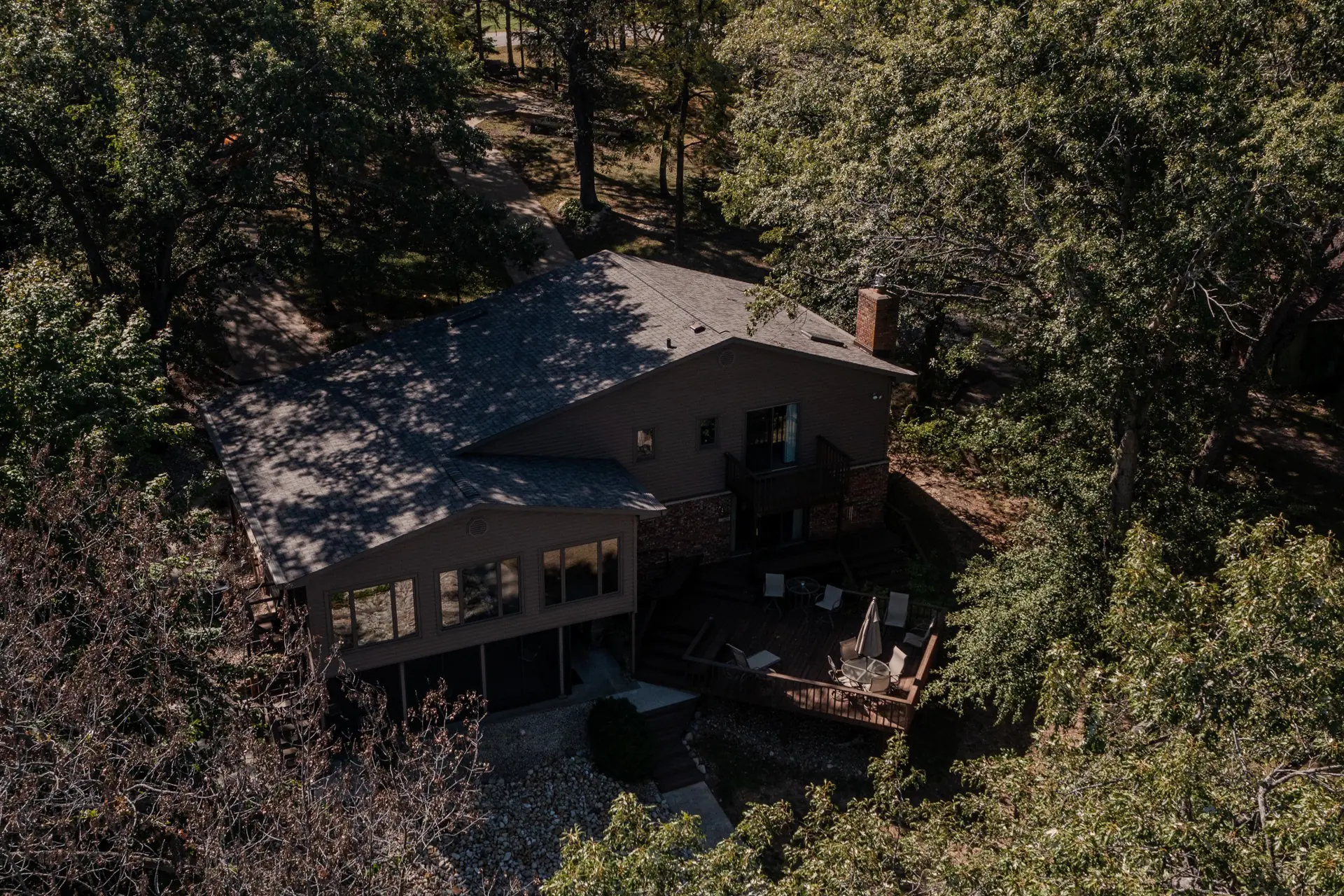
There are two warranties that matter on a shingle roof: the manufacturer’s on the materials and coverage on the workmanship. On our residential jobs, we register your CertainTeed warranty for you, and CertainTeed deals with you directly on it. On qualifying full-system roofs, that includes CertainTeed-backed coverage on the workmanship too. Anything we put on a roof also gets at least a ten-year workmanship warranty, either from CertainTeed or our own. Your proposal spells out which one your roof gets, and HCI’s own workmanship warranty doesn’t require inspections or maintenance to stay in force.
Holthaus Roofing was founded in 1991, our home office is at 875 East Linn Street in Canton, and we’ve been accredited with the Better Business Bureau since 1995. We plan on being here to stand behind the roof long after the crew drives away.
Questions to Ask Before Your Roof Replacement Starts
Whoever you hire, make sure you can get a straight answer to these before anybody tears off a shingle:
- Who is the lead man on my job, and who do I call if something comes up that day?
- How is rotten decking handled and priced if you find it?
- What’s included in cleanup, and do you run a magnet for nails?
- Which manufacturer warranty will I get, and who registers it?
- What workmanship coverage comes with the roof, and is it in writing?
- Are you licensed in Illinois and insured? (You can look up any roofing license with IDFPR.)
We do roof replacement and installation on homes across central Illinois, from Canton and Fulton County out to Peoria, Pekin and Macomb, roughly a two-hour radius from our home office. You can see more of our residential roofing work here. If it’s a commercial building you’re looking after, that’s Nick’s side of the house, and I’d loop him in on our commercial roofing work.
Holthaus Companies, Inc. (Holthaus Roofing), 875 East Linn Street, Canton, IL 61520. Phone 309-647-9209. Illinois roofing license 104.007039.
Thinking About a New Roof? Start With a Call.
Call 309-647-9209 and ask for Craig. Someone will come out, get on the roof, show you photos of what’s there, and give you an accurate budget number and a written estimate. No price over the phone, and no pressure.
Frequently Asked Questions
What should I expect during a roof replacement?
Expect an inspection and written estimate first, then a scheduled install day. On that day the crew protects your landscaping with tarps, tears off the old roof, checks and replaces any rotten decking, installs underlayment, flashing, ventilation and the new shingles, cleans up, and runs magnets for nails. It’s loud while the old roof comes off, and you’ll be shown photos of anything found under it.
How long does a roof replacement take?
Generally, a residential roof replacement is a one-day job. A large or steep roof, a lot of rotten decking, or weather can push it into a second day. Rain moves the start date, because a crew should not leave your house open to it.
Do I need to be home during a roof replacement?
Not all day. It helps to be there in the morning to meet the crew and the lead man, and to be reachable by phone in case they find rotten decking. Many homeowners go to work and come home to a finished roof.
What happens if the crew finds rotten wood under my shingles?
The crew stops on that section, takes photos, and shows you what they found and what it takes to fix it before going further. Rotten decking has to be replaced so the new shingles have something solid to nail into. Make sure your estimate says how decking replacement is priced.
How should I prepare my house for a roof replacement?
Move cars out of the driveway, put away patio furniture and grills, take pictures and mirrors off top-floor walls, cover things stored in the attic, plan for pets and kids, and let the neighbors know there will be noise for a day.
What warranty comes with a new roof from Holthaus Roofing?
On residential jobs, Holthaus registers your CertainTeed manufacturer warranty, and every roof gets at least ten years of workmanship coverage, either CertainTeed-backed on qualifying full-system roofs or Holthaus Roofing’s own 10-year workmanship warranty. Your proposal spells out which applies.