
Residential Roofing
What to Look for in a Licensed Roofing Contractor in Canton, IL
A former insurance adjuster walks you through how to vet a roofer before you sign — the license, the paperwork, and the red flags most homeowners miss.
Most people don’t hire a roofing contractor in Canton, IL more than once or twice in their whole life. So when your roof finally needs work, you’re making one of the bigger decisions you’ll make on your home — with almost no experience to go on. You call a few companies, the estimates come back thousands of dollars apart, and you’re left trying to figure out who’s telling you straight and who’s just trying to close a sale.
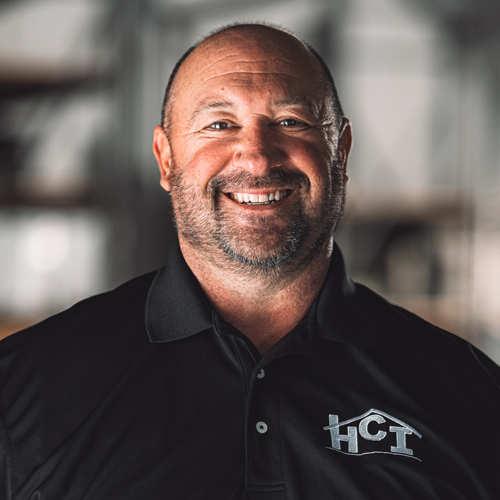
I’m Craig Stafford. I’m the residential lead here at Holthaus Roofing, and I handle residential jobs from the first inspection all the way through billing. Before I got into roofing, I spent years as an insurance adjuster — so I’ve been on both sides of the fence, and I know what a claim looks like from the company’s chair. Let me walk you through what a “licensed roofing contractor” actually means in Illinois, and what to look for before you let anybody up on your roof.
Start Here: In Illinois, “Licensed” Isn’t Just a Word
Here’s something a lot of contractors won’t volunteer: in Illinois, roofing is a licensed trade. The state requires roofers to carry a license through the Illinois Department of Financial and Professional Regulation (IDFPR) under the Illinois Roofing Industry Licensing Act. That license number starts with 104, and you can look any contractor up on the IDFPR website in about two minutes.
So the very first thing you should do — before references, before reviews, before anything — is ask for the license number and check it. A legitimate roofing contractor in Canton will hand it over without blinking. If somebody gets cagey when you ask, that tells you most of what you need to know right there.
The brave-transparency version: a storm-chasing crew working out of an unmarked truck may not hold an Illinois roofing license at all. If they don’t, and something goes wrong on your roof, you have almost no recourse. That’s not fearmongering — it’s just how the law works here.
The Short List I’d Give My Own Neighbor
The top qualities you should look for aren’t complicated. But a lot of homeowners skip right past them when they’re in a hurry to get the work done. Here’s the list I’d hand a friend.
Number one, make sure they’re licensed, bonded, and insured. The license we just covered. Bonded and insured is the other half. Ask for a certificate of insurance — general liability and workers’ comp — before you sign anything. If a worker gets hurt on your property and the contractor doesn’t carry the right coverage, that can land on you. This isn’t optional, per se; it’s the floor.
Secondly, look for a real track record. Labeled trucks, verifiable references, positive reviews, a Better Business Bureau listing. A contractor who’s been in Central Illinois for the long run has a history you can actually check. We’ve been family-owned right here in Canton since 1993 — more than 30 years on central Illinois roofs, and so forth. A crew that showed up the week after a storm in a truck with no name on it is a different story.
Another important factor: certifications. These matter because manufacturers only hand them out to contractors who prove they install to spec. On the residential side we’re a CertainTeed ShingleMaster PREMIER — that’s what lets us install the full CertainTeed Integrity Roof System and offer up to a 50-year limited warranty on shingle lines like Landmark, Landmark Pro, and Presidential. On the commercial and flat-roof side, we’re a Duro-Last A+ applicator. When you see the phrase “CertainTeed certified roofing contractor,” that certification is the thing behind it.
And make sure they’ll stand behind their work. There are two warranties, and you want both. The manufacturer warranty covers the shingles. A separate workmanship warranty from the contractor covers the labor — the actual installation. We stand behind the installation itself with our own workmanship warranty, and a full CertainTeed Integrity Roof System can be registered for CertainTeed-backed workmanship coverage on top of that. A material-only warranty with no labor warranty behind it is a gap most homeowners don’t notice until a leak shows up two years later.
Generally, though, the whole thing comes down to one idea: you want that contractor to be your friend first, and your contractor second. If you’re going to buy something this big from someone, you want to be able to trust them. That’s what you should probably look for.
Red Flags That Should Make You Slow Down
Some red flags to watch out for would be:
- No license number, or they get vague when you ask. Already covered — but it’s the big one, so it’s worth saying twice.
- Pressure to sign today. “This price is only good if you commit right now” is a sales tactic, not a roofing practice. A real estimate holds.
- They push a full replacement when a repair would do. We don’t upsell a tear-off when a repair fixes it. A good contractor gives you the honest read, even when it’s the smaller job.
- A vague scope of work. The proposal should spell out the materials, the underlayment, the flashing, the ventilation, and the cleanup. If it’s a one-line number with no detail, you don’t actually know what you’re buying.
- Big deposit, cash only, no contract. That combination is how homeowners get left with a half-finished roof and no way to find the guy.
The Storm-Chaser Trap (After Hail Rolls Through Fulton County)
Canton and the rest of Fulton County see their share of hail and straight-line wind. And after a good-sized storm, you’re going to get contractors coming through who aren’t from around here. Some of them do decent work. But a lot of them are moving fast — trying to knock out as many roofs as they can before they move on to the next storm market.
What that usually means is shingles that weren’t nailed on correctly to begin with. They did a rushed job, probably because they knew they were getting on to the next roof. The problem doesn’t show up right away. It shows up two or three years later when a wind event lifts shingles that were never fastened right — and by then, whoever did the work is long gone, and there’s no labor warranty to call on. That’s not me knocking anybody. It’s just a pattern, and it’s worth knowing about when someone knocks on your door the week after a storm.

This is where being a former adjuster actually helps you as the homeowner. Because I’ve been on that side of the fence, I can relate to the adjuster — I know what they’re looking for and how they evaluate a claim. When a homeowner doesn’t fully understand what their insurance covers or how the timeline works, I can help them along and make them feel a little better about how everything’s progressing. Now, I want to be clear about the line here: I’m not a public adjuster, and I don’t negotiate the claim for you. That’s a boundary I don’t cross. But I can walk your roof, document what’s actually there, and help you understand the process so you’re not going in blind. If you’ve had a recent storm, our storm damage and insurance work page covers how we handle that.
One thing that catches homeowners off guard is code-upgrade cost. Depending on when your old roof went on and what your local code requires now, there may be extra work to bring everything up to current standards. That’s a conversation we have with you up front — not a surprise we spring on you mid-job.
What Working With a Local Contractor Actually Looks Like
A lot of homeowners aren’t sure what a replacement day even looks like. Here’s roughly how it goes with us.
I show up with the crew first thing in the morning. We talk to you, let you know the expectations for the day, and I introduce you to my lead man — he’s the one who’ll be on site all day while I’m managing other jobs. I check back around lunchtime, and again toward the end of the day. We keep one way into the house open the whole time for folks who need to come and go. We spread tarps over the shrubbery to catch debris, and the dump trailer leaves with us at the end of the day — we’re not leaving a pile of old shingles in your driveway overnight.
I’ve got homeowners tell us all the time that they wouldn’t even know we’d been there, except for the brand new roof on the house when they get home from work. We’re not faster than the next company, honestly. We’re just organized. That’s the frame.
“Craig Stafford, Francisco and team were professional, courteous, skilled and meticulous. Highly recommended!” — Mindy L., Google review
Repair or Replace? A Quick, Honest Read
Generally, if the damage is localized — a few missing shingles, a small flashing issue — a repair makes sense. But if you’re seeing widespread granular loss (that’s the sand-like grit that protects the asphalt washing down into your gutters), multiple aging layers, or storm damage across a big chunk of the roof, replacement is usually the more cost-effective answer in the long run. I’d rather come out, take an honest look, and tell you which direction actually fits your situation than sell you the bigger job. Once your new roof is on, a little upkeep goes a long way — trim the branches back so the squirrels and raccoons stay off, and keep your valleys clear so leaves don’t pack down and dam up the drainage.
Talk to a Canton Roofer Who’ll Give It to You Straight
If you’re a Canton or Fulton County homeowner dealing with storm damage, an aging roof, or a question nobody’s given you a straight answer on — give us a call. I’m happy to come out, walk the roof, and give you an honest read. No pressure.
Frequently Asked Questions
How do I check if a roofing contractor is licensed in Illinois?
Illinois requires roofing contractors to hold a state license through the Illinois Department of Financial and Professional Regulation (IDFPR). Ask the contractor for their license number — it starts with 104 — and look it up on the IDFPR website. It takes about two minutes. A legitimate roofing contractor in Canton, IL will give you that number without hesitation. If they won’t, treat that as your answer.
Does a roofing contractor in Canton need to be bonded and insured?
Yes. Beyond the state license, you want to see proof of general liability insurance and workers’ compensation coverage. Ask for a certificate of insurance before work begins. If a worker is injured on your property and the contractor isn’t properly covered, that liability can fall back on you as the homeowner. It’s the floor, not a nice-to-have.
What warranty should a licensed roofing contractor offer?
Two of them. A manufacturer warranty covers the roofing materials — as a CertainTeed ShingleMaster PREMIER contractor installing the full CertainTeed Integrity Roof System, we can offer up to a 50-year limited materials warranty on qualifying shingles. Separately, a workmanship warranty covers the actual installation; we back our own work, and a registered Integrity Roof System also carries CertainTeed-backed workmanship coverage. A material-only warranty with no labor warranty behind it leaves a gap that usually shows up as a leak a couple years down the road.
How do I avoid storm-chaser roofers after a Canton hailstorm?
After a hail or wind event in Fulton County, out-of-town crews often go door to door. Slow down. Verify the Illinois license, look for a local address and labeled trucks, and ask about the workmanship warranty — storm chasers rarely stick around to honor one. As a former insurance adjuster, I can inspect your roof, document the damage accurately, and help you understand the claims process so you’re not rushed into signing with someone who’ll be three states away when a problem surfaces.