
Residential Roofing
Rotted Roof Decking: The Cost of a Covered-Up Roof Problem
What rotted wood and water-damaged underlayment look like, why shingling over them costs you more later, and what an honest roofer should show you before any work is done.
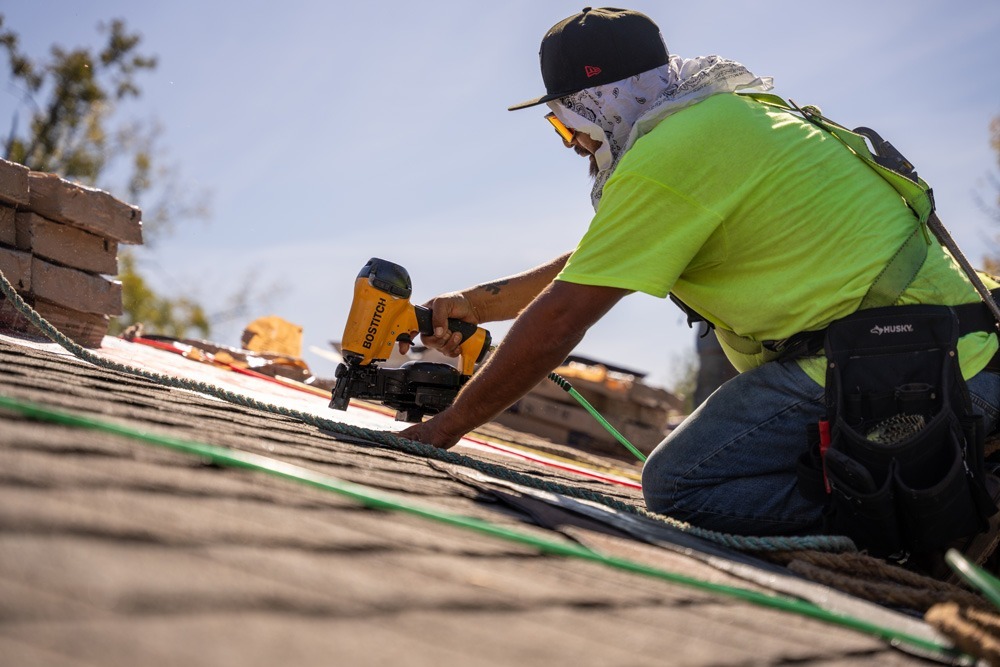
Rotted roof decking is the problem nobody sees until the old shingles come off. The decking, or sheeting, is the plywood or boards your shingles are nailed to. When it’s soft or rotten and a crew nails new shingles right over it anyway, the roof looks brand new from the driveway. Then the nails don’t hold, the roof starts to sag, and a few years later the leak comes back worse. The cost of a covered-up roof problem is higher than you think, because you end up paying for the roof twice.
I’m Craig Stafford, and I run residential roofing at Holthaus Roofing. I handle our residential jobs from start to finish, and before that I spent years as an insurance adjuster. I’ve been on a lot of roofs where somebody covered up bad wood the first time around. So here’s how it works on our jobs: if the crew runs into rotted wood or bad sheeting, I bring it to the homeowner right up front. I’ll show you photos and tell you what we have to do to fix it, before we go any further. We’re not going to cover up something bad.

Why Transparency Matters in Roofing
Transparency is pretty simple. It means telling the homeowner what we found and what it takes to fix it, before the work is done. It matters more on a roof than almost anywhere else on your house, because you can’t see what’s up there. You’re trusting the crew to tell you the truth about the part of your home you never look at.
When a contractor doesn’t disclose a problem like rotted wood or damaged underlayment, it doesn’t go away. It gets buried under new shingles and keeps getting worse. The homeowner finds out later, usually from a water stain on the ceiling, and by then the cost has gone up and the original crew may be long gone.
Common Roofing Problems Hidden Under Old Shingles
These are the ones we find most often when the old roof comes off.
Rotted Wood and Damaged Sheeting
Wet decking goes soft, the nails pull loose, and the roof starts to dip between the rafters. Generally it comes from a leak that ran for a long time: a cracked pipe boot, failed flashing around a chimney, or leaves in a valley creating a dam so water backs up under the shingles. Here in central Illinois, ice that builds up at the eaves in winter can back water up under the shingles the same way. Poor attic ventilation does it too. Warm, wet air from the house condenses on the underside of the decking every winter, and over the years the wood rots from the inside out.
Water-Damaged Underlayment
The underlayment is the layer between the shingles and the decking. It’s the roof’s backup if water gets past a shingle. A lot of times you won’t know it’s wet, because from the street the shingles look fine. Once it’s torn, wrinkled or soaked through, water goes straight to the wood.
Damaged Flashing, Pipe Boots and Vents
The metal flashing around chimneys and walls, the rubber boots around plumbing pipes, the roof vents and so forth are where most leaks start. A crew in a hurry may reuse old flashing or caulk over a cracked boot instead of replacing it. It looks okay on the day they leave. It doesn’t stay that way.
Animal and Tree Damage
Squirrels and raccoons chew through soft spots at the edge of the roof and around vents, and branches rubbing on the roof wear the shingles down to the mat. Both can leave holes in the decking that you’d never see from the ground. Trimming branches back away from the roof helps with both.

Signs Your Roof Decking May Be Rotted
You can’t see every sheet of decking until the shingles come off, but there are signs it’s in trouble:
- A sag or dip in the roofline. Look at the roof from the street. Waves or low spots between the rafters usually mean the decking underneath is soft.
- Dark stains or wet spots in the attic. Take a flashlight up there and look at the underside of the roof. Dark streaks, black spots or damp wood around the nails are signs of water or condensation.
- Daylight through the roof boards. If you can see light coming through, water can come through too.
- Water stains on the top-floor ceilings. Generally, by the time you see one, water has been getting in for a while.
- Shingles that curl, buckle or won’t stay down. Nails don’t hold in rotted wood, so shingles over a soft spot lift and loosen.
- A soft, spongy feel underfoot. That one’s for the roofer to check, not you. Please don’t walk on a roof you think might be soft.
Can You Put New Shingles Over Rotted Wood?
You can, in the sense that somebody will do it. You shouldn’t. New shingles over rotted roof decking are only as good as the wood they’re nailed to. The nails won’t hold in soft wood, so the new shingles can blow off in the next good wind, and the rot keeps spreading underneath. The residential building code a lot of towns adopt also doesn’t allow a new layer over a roof that’s water-soaked or deteriorated, so check what your town requires. And if you ever have a claim on that roof, an adjuster who finds rotten wood under new shingles is looking at old damage, not storm damage. I’m a former insurance adjuster, so I’ve been on that side of the fence, and generally that’s not going to go well for the homeowner.
That’s why, on a replacement, we look at the decking once the old shingles are off. Whether it’s a few sheets or a bigger area, I show you the photos and the cost first, and then the bad wood gets replaced.
What Does Replacing Rotted Roof Decking Cost?
Generally it comes down to how many sheets are bad, how much of the roof they cover, and whether the rot has gotten into the rafters or the fascia boards and so forth. Nobody can give you that number honestly until the old shingles are off, and we won’t give you a price over the phone. On our jobs, I show you photos of the bad wood and tell you what it costs before it gets replaced, and you make the call.
How We Handle Unexpected Roofing Issues
Here’s what that looks like on one of our jobs, start to finish:
- Before the job. We walk through the estimate with you: the roof, the type of shingles and the warranty. We also tell you how any bad wood we find under the old shingles gets handled: photos and the cost before it’s replaced.
- The morning of. I show up with the crew and introduce you to my lead man, who’s going to be there all day. Tarps go down over the shrubbery and we keep one way into the house open so you can come and go.
- If we find a problem. If the crew runs into rotted wood or bad sheeting, they stop and I take photos. I show you exactly what we found, explain what has to be done to fix it, and tell you what it costs. You make the call before we go any further.
- During the day. I usually check back in around lunchtime and again toward the end of the day.
- Clean up. The dump trailer leaves with the crew, and the debris goes with it. A lot of homeowners tell us they wouldn’t even know we were there, except for the brand new roof on the house when they come home from work.
“From start to finish easiest roof I have had done. The estimate was explained, types of shingles and the warranty. Craig did an excellent job. The crew was great, found some issues with vents and discussed and fixed. Cleanup was excellent! Our home looks great!”
Doug K., Google review
Questions to Ask Any Roofer About Hidden Costs
Whoever you hire, these questions will tell you a lot about how they’ll handle something they find under your old roof:
- Are you tearing off the old roof down to the decking, or going over it?
- If you find rotted wood or bad sheeting, how is it priced, and will you show me before you replace it?
- Will you send me photos of anything you find?
- Are you replacing the flashing and pipe boots, or reusing them?
- Are you licensed in Illinois and insured, and what workmanship warranty do you stand behind?
A contractor who’s in it for the long run won’t mind any of those questions. Holthaus Roofing was founded in 1991, our home office is at 875 East Linn Street in Canton, and we’ve been accredited with the Better Business Bureau since 1995. We’re a CertainTeed ShingleMaster PREMIER contractor, we register the CertainTeed warranty on our residential jobs, and anything we put on a roof also gets a ten-year workmanship warranty, on top of the manufacturer’s coverage.
Roof Repair and Replacement Across Central Illinois
We work on homes across central Illinois, from Canton and Fulton County out to Peoria, Pekin and Macomb. If the problem is small, like a cracked pipe boot or a bad section of flashing, our roof repair crew can fix it. If the decking is bad across the roof, that’s a job for our residential roofing team. Not sure which you need? Our post on deciding between roof repair or replacement walks through it. If a storm caused the damage, start with our complete storm damage and insurance claims guide. And if it’s a commercial building, I’d loop in Nick on that one. He handles our commercial roofing work.
If you’ve got a leak right now, we’ll come out and look at it at no charge.
Holthaus Companies, Inc. (Holthaus Roofing), 875 East Linn Street, Canton, IL 61520. Phone 309-647-9209. Illinois roofing license 104.007039.
Find Out What Shape Your Roof and Attic Are In
Call 309-647-9209 and ask for Craig. We’ll come out, get on the roof and in the attic, show you photos of what we find, and give you an accurate budget number. No price over the phone. If we find bad wood once the old roof is off, you’ll see photos and the cost before we replace it, so the final invoice only changes for work you approved.
Frequently Asked Questions
Should rotted roof decking be replaced when the roof is replaced?
Yes. Bad decking should be replaced during the roof replacement, while the old shingles are off. New shingles can’t hold in soft wood, and the rot keeps spreading underneath. A good roofer shows you photos of any rotted wood and tells you the cost before replacing it.
How do I know if my roof decking is rotted?
Look for a sag or dips in the roofline, dark stains or damp wood on the underside of the roof in the attic, daylight through the roof boards, ceiling water stains, and shingles that curl or won’t stay down. Most decking can’t be fully checked until the old shingles come off.
Can you put new shingles over rotted wood?
You shouldn’t. Nails don’t hold in rotted wood, so new shingles over it can blow off and the rot keeps spreading. The residential building code many towns adopt also doesn’t allow a new layer over a roof that’s water-soaked or deteriorated, so check what your town requires.
How much does it cost to replace rotted roof decking?
It depends on how many sheets are bad, how much of the roof they cover, and whether the rot has reached the rafters or fascia. Nobody can price it honestly until the old shingles are off. On a Holthaus Roofing job, Craig Stafford shows the homeowner photos of the bad wood and tells them the cost before it’s replaced. No price over the phone.
Why are hidden costs a problem in roofing?
Hidden costs usually come from problems a contractor doesn’t disclose, like rotted wood or water-damaged underlayment. Covered up, those problems keep getting worse, and the homeowner ends up paying more later for repairs, interior damage, or a second roof.
Will I be told about additional costs before the work is done?
On a Holthaus Roofing job, yes. If the crew finds rotted wood, bad sheeting or another problem, Craig Stafford takes photos, shows the homeowner what was found, explains the fix and the cost, and the homeowner decides before the crew goes any further.
What is roofing transparency?
Roofing transparency means keeping the homeowner in the loop about what the crew finds and what it takes to fix it, before any work is done. That includes photos of the problem, a plain explanation, and the cost up front, so there are no surprises on the final invoice.