
Residential Roofing
What to Do When Your Roofing Contractor Never Follows Up After an Estimate
Waiting on a roofing contractor to follow up after your estimate? Learn what that silence means and how to find a contractor who actually stands behind their work.
You got a roofing estimate. Maybe two or three of them. Then nothing. No call, no email, no contractor showing up at your door to answer the questions that came up after they left. You’re left wondering whether that number they handed you is even still good — or whether the company will still be around when you’re ready to move forward.
That silence isn’t just frustrating. It’s a signal. And knowing what to do with it can save you from a real headache down the road.
Why Contractors Go Quiet After an Estimate
There’s no single reason. Sometimes it’s a company that got slammed with storm work and the follow-up process just fell apart. Sometimes it’s a smaller operation that runs on hustle — they’re out getting the next estimate before they’ve confirmed the last one. And sometimes, honestly, it’s a storm chaser who already moved on to the next neighborhood.
None of those situations are good for you.
When a contractor doesn’t follow up, you can’t ask clarifying questions. You can’t get a clear answer on material choices. You don’t know if the crew that shows up is the same one the estimator described. You don’t know who to call if something goes wrong six months later.
A contractor who doesn’t follow up before the job rarely stands behind their work after it.
What a Good Follow-Up Actually Looks Like
It’s not complicated, but it does take some organization. Here’s what you should generally expect from a roofing contractor after an estimate:
A clear point of contact. You should know who to call and who’s going to answer. Not a general mailbox — a name, a number, a person.
Answers to questions that came up after the visit. Homeowners almost always have questions after they’ve had time to think. A contractor who’s in this for the long run makes room for those conversations.
Confirmation of the scope. What’s included, what’s not, what happens if they find something unexpected underneath the old shingles — like rotten decking or bad sheeting. That stuff should be communicated before work starts, not after.
A realistic timeline. Not a promise that they’ll be there tomorrow no matter what, but an honest answer about where you fall in the schedule and what might shift that.
A contractor who handles all of that upfront isn’t doing you a favor — they’re just doing their job. But in my experience, a lot of homeowners don’t know to expect it, so they settle for less.
What the Follow-Up Looks Like with Holthaus
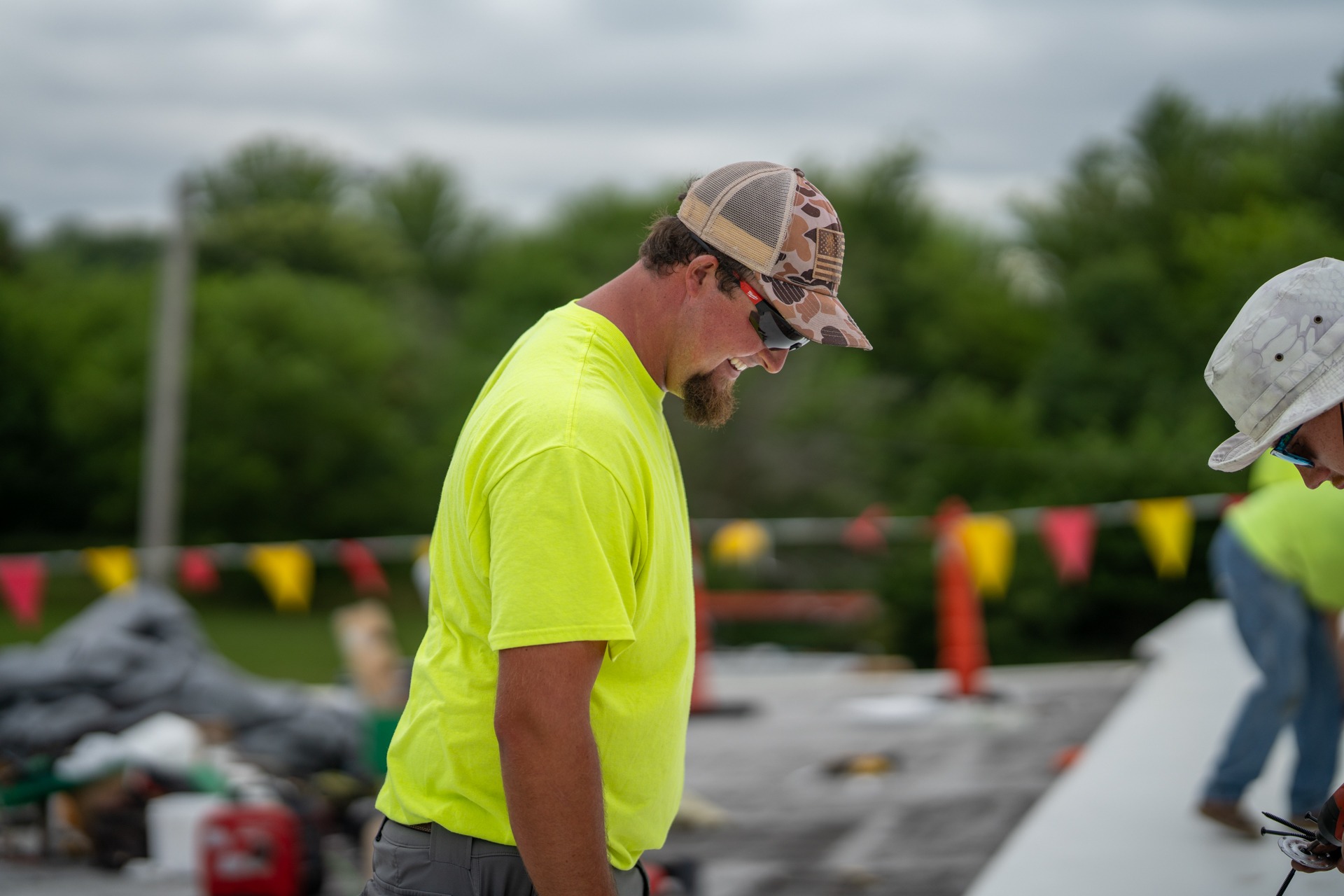
I’m Craig Stafford — I’m the steep slope manager here at Holthaus Roofing. My role is residential, start to finish: inspection, estimate, crew management, billing. So when I hand you a number, I’m also the person who’s going to be there on day one, introducing you to the lead man who’ll be on your roof all day. And I check back in at lunch and at the end of the day. That’s the process.
The follow-up isn’t a separate thing I bolt on. It’s just how the job works.
If you call me after seeing an estimate and you’ve got questions about which shingles we’re recommending, or what a certain line item actually means, or what happens if we pull up the old roof and find something that wasn’t visible from the ground — I’m going to walk you through it. Transparency is important to me. We’re not going to cover up something bad that a previous contractor may not have done correctly, and we’re not going to surprise you with a cost you didn’t know was possible.
That’s also why I explain our warranties up front. We use CertainTeed products — Landmark, Landmark Pro, Presidential shingles — and through our Shingle Master certification, those come with a 50-year manufacturer’s warranty. We also put a 10-year workmanship warranty on top of that. The manufacturer’s warranty covers the materials. Our warranty covers what we did. Both matter, and both should be explained to you before you sign anything.
The Insurance Piece
If your estimate came out of a storm damage claim, the follow-up process gets a little more involved. I’m a former insurance adjuster, so I’ve been on both sides of that fence. I know how adjusters think, what they’re looking for, and how the claims process typically moves.
A lot of homeowners don’t fully understand that process, and that gap can cost them. Not because adjusters are out to get anyone — most aren’t — but because the scope of damage isn’t always obvious, and if nobody advocates for a complete scope at the right time, things can get missed.
I can walk with you through that process. I’ll be at the adjuster meeting if one is needed. I can help you understand what’s being covered and why, and what questions are worth asking. What I won’t do is cross into public adjuster territory — that’s a licensed role, and I’m not going to step into it. But within the bounds of helping a homeowner understand what’s happening with their own roof claim, I’m here for that.
If any of this connects to a larger commercial situation, I’d loop in Nick on that one — that’s more his lane.
Red Flags to Watch For
Some red flags to watch out for would be:
- No follow-up at all. If they handed you a sheet of paper and you haven’t heard from them since, that’s the first flag.
- Pressure to decide immediately. Good contractors have full schedules, but they’re not going to bully you into a signature.
- No physical presence. Unlabeled trucks, no company name you can look up, no Better Business Bureau listing. If you can’t verify who they are, that matters.
- No labor warranty. Materials are covered by the manufacturer. Labor is covered by the contractor. If they can’t tell you what they warrant on workmanship, that’s a problem — especially if they came through after a storm and may not be around next year.
You want a contractor who’s going to be here in the long run. Not just until the job is done, but after — when something comes up down the road and you need someone who’s going to stand behind their work.
For more on what the replacement process actually looks like from your side, check out What to Expect During a Roof Replacement: A Homeowner’s Guide. And if you’re thinking about what comes after a new roof is installed, Essential Roof Maintenance Tips Every Homeowner Should Know covers the basics worth knowing.
Talk It Through With Us
If you’ve got an estimate sitting on your counter and you’re not sure what to make of it — or if you just want to talk through your specific situation — give me a call. I’m happy to have that conversation, no pressure.
Frequently Asked Questions
How long should I wait before following up with a roofing contractor after getting an estimate?
Generally, if you haven’t heard anything within three to five business days of receiving an estimate, it’s reasonable to reach out. If they’re hard to reach or slow to respond before the job starts, that usually tells you something about how communication will go once work is underway. A contractor who’s organized and in this for the long run should be easy to get on the phone.
What should I ask a roofing contractor when I follow up?
A few things worth confirming: Who will be the lead on-site during the job? What happens if they find damage underneath the old roof — rotten decking, bad sheeting — that wasn’t visible during the estimate? What warranty covers the workmanship, and what covers the materials? And what’s the realistic timeline? Those questions will tell you a lot about how organized the contractor is and how transparent they’re going to be.
Is it a bad sign if a roofing contractor pressures me to decide quickly?
Usually, yes. Legitimate contractors do have full schedules, and lead times are real. But there’s a difference between “here’s where we’re at on the calendar” and “you need to sign today or we can’t help you.” That kind of pressure, especially after a storm, is a pattern worth paying attention to. Take the time you need to check reviews, verify insurance, and make sure you’re comfortable with who’s coming to your house.