
Introduction
Severe weather is one of the most common causes of roof damage for homes throughout the Midwest. From high winds and hailstorms to heavy rain and falling debris, storms place intense stress on roofing materials and structural components. Even a well-constructed roofing system can experience wear when exposed to repeated weather events.
For homeowners, understanding how storm damage affects a roof is essential. Damage that initially appears minor can lead to water intrusion, insulation problems, and interior structural concerns if left unaddressed. Professional roofing inspections and timely repair services help protect the long-term performance of a roof while preserving the value of the home.
Holthaus Roofing provides residential and commercial roofing services designed to help property owners maintain durable, weather-resistant roofing systems capable of withstanding Central Illinois weather conditions.
How Storms Impact Residential Roofing Systems
Storm damage often results from a combination of environmental factors. High winds can loosen shingles or flashing, hail may create small fractures in roofing materials, and prolonged rainfall can expose vulnerable areas of the roof.
Some of the most common weather-related causes of roof damage include:
- Strong winds that lift or remove shingles
- Hail impacts that bruise or fracture roofing materials
- Heavy rainfall that exposes weak points in flashing
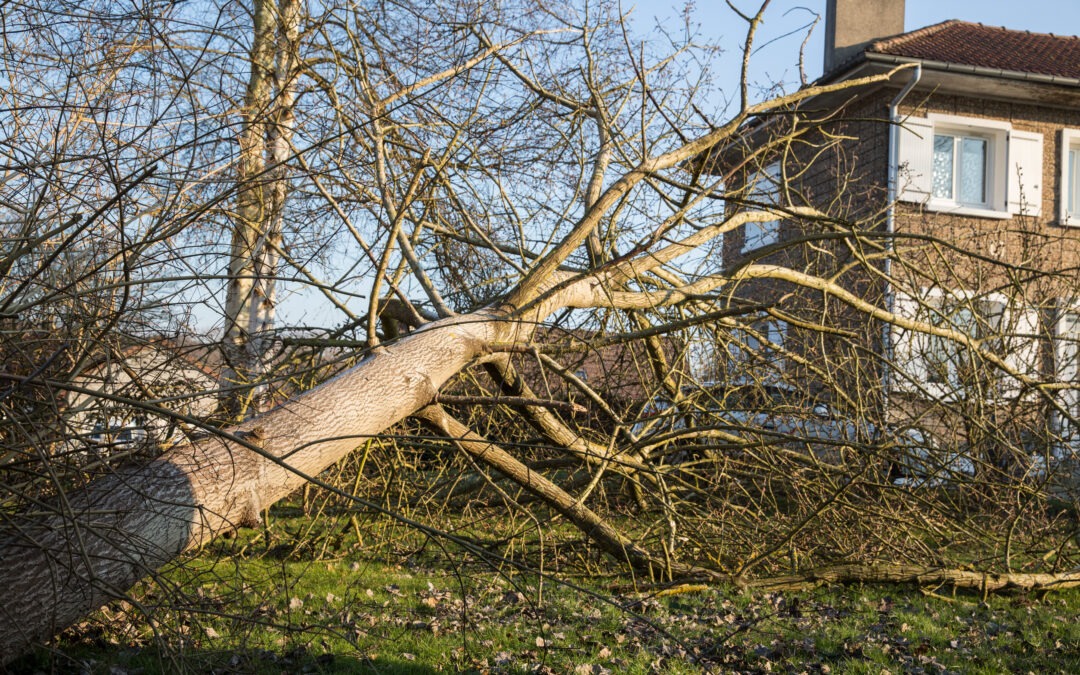
- Falling tree limbs or debris
- Ice buildup and snow accumulation during winter storms
Roofing systems are designed to protect a home’s structural integrity, but repeated exposure to severe weather can accelerate material wear and increase the risk of leaks or insulation damage.
Regular inspections after storms allow homeowners to identify issues before they escalate into larger structural repairs.
Signs Your Roof May Have Storm Damage
Storm damage is not always immediately visible. While missing shingles or fallen debris are obvious indicators, many roofing issues occur beneath the surface.
Homeowners should watch for several common warning signs following severe weather.
Missing or Lifted Shingles
Strong winds can loosen or completely remove shingles from the roof. Even partially lifted shingles can allow water to penetrate beneath the roofing material, eventually leading to leaks.
Shingles that appear curled, bent, or misaligned after a storm may require professional repair.
Hail Impact Damage
Hailstones can leave small dents or bruises in shingles, especially asphalt materials. These marks may not immediately cause leaks, but they weaken the protective outer layer of the roof.
Over time, hail damage can accelerate shingle deterioration and increase the likelihood of water intrusion.
Damaged Flashing
Flashing protects vulnerable areas of the roof where materials meet, such as chimneys, skylights, vents, and valleys. Storm conditions may loosen or crack flashing components, creating entry points for water.
When flashing fails, moisture can travel beneath the roofing system and affect insulation or attic structures.
Granule Loss
Granules protect shingles from ultraviolet exposure and weather damage. After severe storms, homeowners may notice granules accumulating in gutters or downspouts.
While small amounts of granule loss are normal over time, excessive accumulation may indicate storm-related shingle deterioration.
Water Stains Inside the Home
Interior water stains are often the first noticeable sign of roof damage. Brown or yellow discoloration on ceilings or walls may indicate a slow leak caused by compromised roofing materials.
When water enters the home through the roof structure, it can affect insulation, drywall, and even electrical systems if not addressed promptly.
Why Professional Roof Inspections Matter After Storms
After a major weather event, a professional roofing inspection provides valuable insight into the condition of the roofing system. Many forms of storm damage are difficult to identify from ground level.
A professional roofing inspection typically evaluates:
- Shingle condition and alignment
- Flashing integrity
- Roof decking stability
- Gutter and drainage performance
- Ventilation systems
- Signs of moisture intrusion
Routine inspections help identify small issues before they escalate into costly structural repairs.
Roofing professionals also understand how different materials respond to weather stress, allowing them to recommend repair strategies that preserve the roof’s long-term durability.
Roof Repair vs Roof Replacement After Storm Damage
Not all storm damage requires a complete roof replacement. In many cases, targeted repairs can restore the roof’s protective function.
When Roof Repair Is Typically Enough
Minor damage often requires localized repairs. This may include:
- Replacing missing shingles
- Reinforcing flashing around roof penetrations
- Sealing small leaks
- Repairing damaged roof sections
Professional repair work can extend the lifespan of a roof while maintaining its structural integrity.
When Replacement May Be Necessary
In some situations, storm damage may be extensive enough to warrant a full roof replacement. This is more likely if:
- Multiple sections of the roof are damaged
- Structural decking has been compromised
- Roofing materials are already nearing the end of their lifespan
- Storm damage has occurred repeatedly over time
A roofing professional can assess the condition of the entire roofing system and provide guidance on the most practical long-term solution.
How Roofing Materials Respond to Severe Weather
Different roofing materials respond to storms in different ways. Choosing the right material for your home can influence how well the roof performs during severe weather conditions.
Holthaus Roofing works with several roofing materials commonly used in residential construction.
Asphalt Shingles
Asphalt shingles remain one of the most widely used roofing materials due to their affordability and versatility. Modern architectural shingles are designed to withstand moderate wind and hail conditions.
However, extreme storms can still cause damage that requires inspection or repair.
Metal Roofing
Metal roofing systems are known for durability and resistance to wind damage. These roofs can often withstand stronger wind conditions than traditional shingles.
Metal roofing also offers benefits related to longevity and energy efficiency.
Slate Roofing
Slate roofing is valued for its durability and classic appearance. When properly installed, slate can last decades and provide strong protection against environmental conditions.
Because slate tiles are heavy and specialized, professional installation and maintenance are essential.
Energy Efficiency and Roofing Performance
Storm damage can also affect a home’s energy efficiency. When roofing materials become damaged or ventilation systems are disrupted, temperature regulation inside the home may become less effective.
Proper roofing performance supports:
- Consistent indoor temperatures
- Reduced heating and cooling costs
- Improved attic ventilation
- Better insulation performance
According to the U.S. Department of Energy, roofing materials and insulation systems play an important role in regulating energy efficiency and preventing heat transfer within homes.
Maintaining a properly functioning roof helps support both structural protection and energy performance.
Preventing Future Storm Damage
While severe weather cannot be avoided, certain preventative steps may help reduce the risk of future roofing problems.
Homeowners can consider several maintenance strategies.
Regular Roof Inspections
Annual inspections allow roofing professionals to identify early signs of deterioration and address issues before severe weather exposes them.
Gutter Maintenance
Clean gutters allow water to drain properly during heavy rainstorms. Blocked gutters may cause water to pool on the roof or near vulnerable areas.
Tree Trimming
Overhanging branches increase the risk of impact damage during storms. Trimming trees near the roofline can reduce debris hazards.
Attic Ventilation
Proper ventilation helps regulate moisture levels and temperature within the attic, supporting long-term roofing performance.
Preventative maintenance helps extend the life of roofing systems and reduce the likelihood of unexpected repair needs.
Roofing Services from Holthaus Roofing
Holthaus Roofing provides comprehensive roofing services for residential and commercial properties throughout Central Illinois. With decades of experience in roofing installation, maintenance, and repair, their team works with property owners to maintain durable and weather-resistant roofing systems.
Their services include:
- Residential roofing installation
- Roof repair and maintenance
- Roof replacement services
- Commercial roofing systems
- Storm damage roof assessments
With professional craftsmanship and ongoing industry training, Holthaus Roofing focuses on delivering roofing solutions designed for long-term performance and reliability.
Conclusion
Storm damage is one of the most common challenges homeowners face when maintaining a roof. High winds, hail, heavy rainfall, and seasonal weather patterns can gradually weaken roofing materials and create vulnerabilities in a home’s protective structure.
Understanding the warning signs of storm damage, scheduling professional inspections, and addressing repair needs early all contribute to maintaining a durable roofing system.
By taking a proactive approach to roof care, homeowners can reduce the risk of leaks, preserve energy efficiency, and protect the structural integrity of their homes for years to come.
Contact Holthaus Roofing
If you have questions about roofing systems, storm damage assessments, or roof repair and replacement considerations, Holthaus Roofing provides professional roofing services for residential and commercial properties in Central Illinois.
Holthaus Roofing
875 East Linn Street
Canton, IL 61520
Phone: 309-647-9209
Toll-Free: 888-692-6915
Email: info@holthausroofing.com
Related guide: Learn everything you need to know about storm damage and insurance claims in our complete storm damage and insurance claims guide.